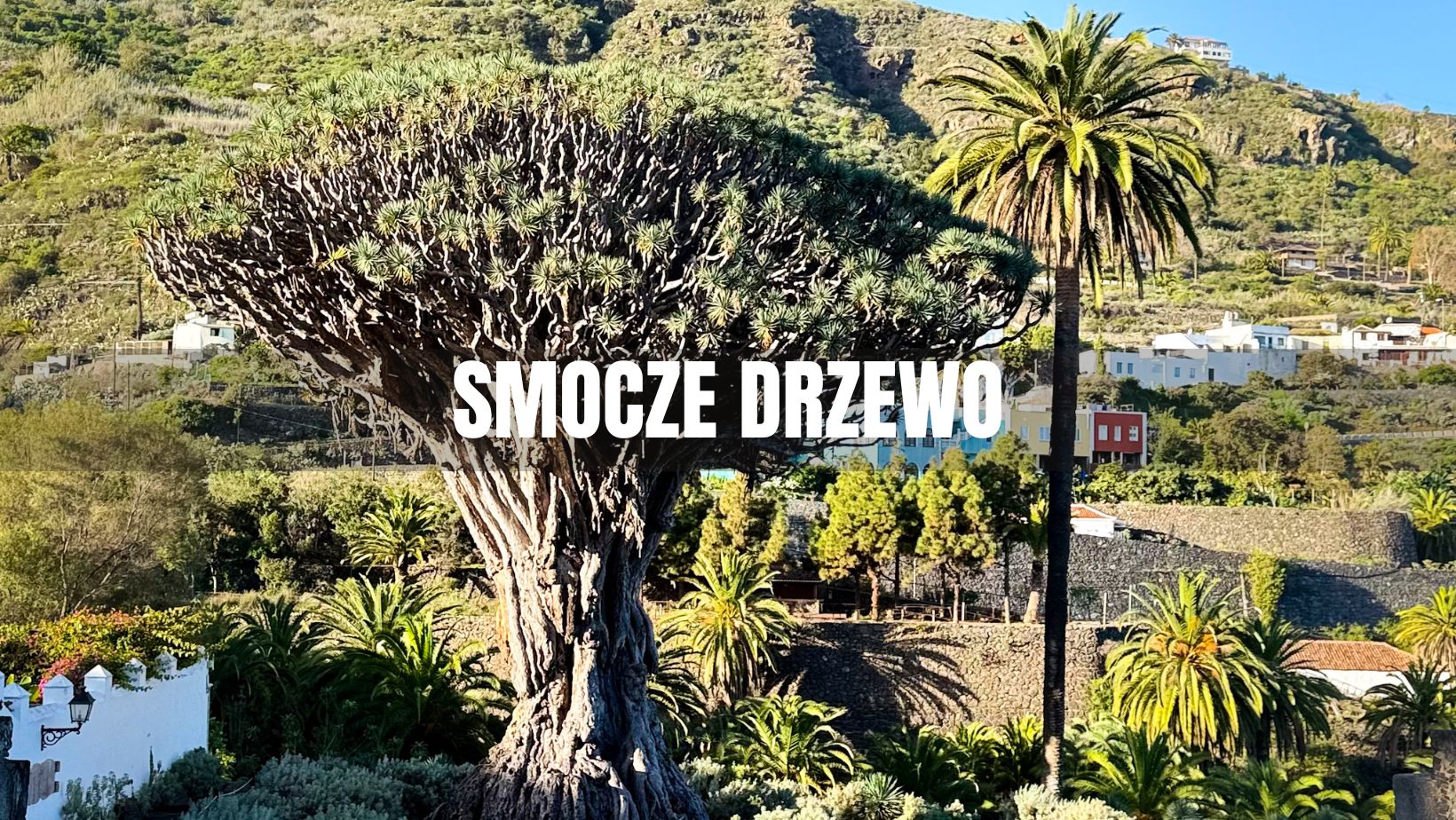
The Dragon Tree in Tenerife—one of the island’s most important symbols
If there is one plant that best captures the mysterious character of the Canary Islands, it is undoubtedly the dragon...

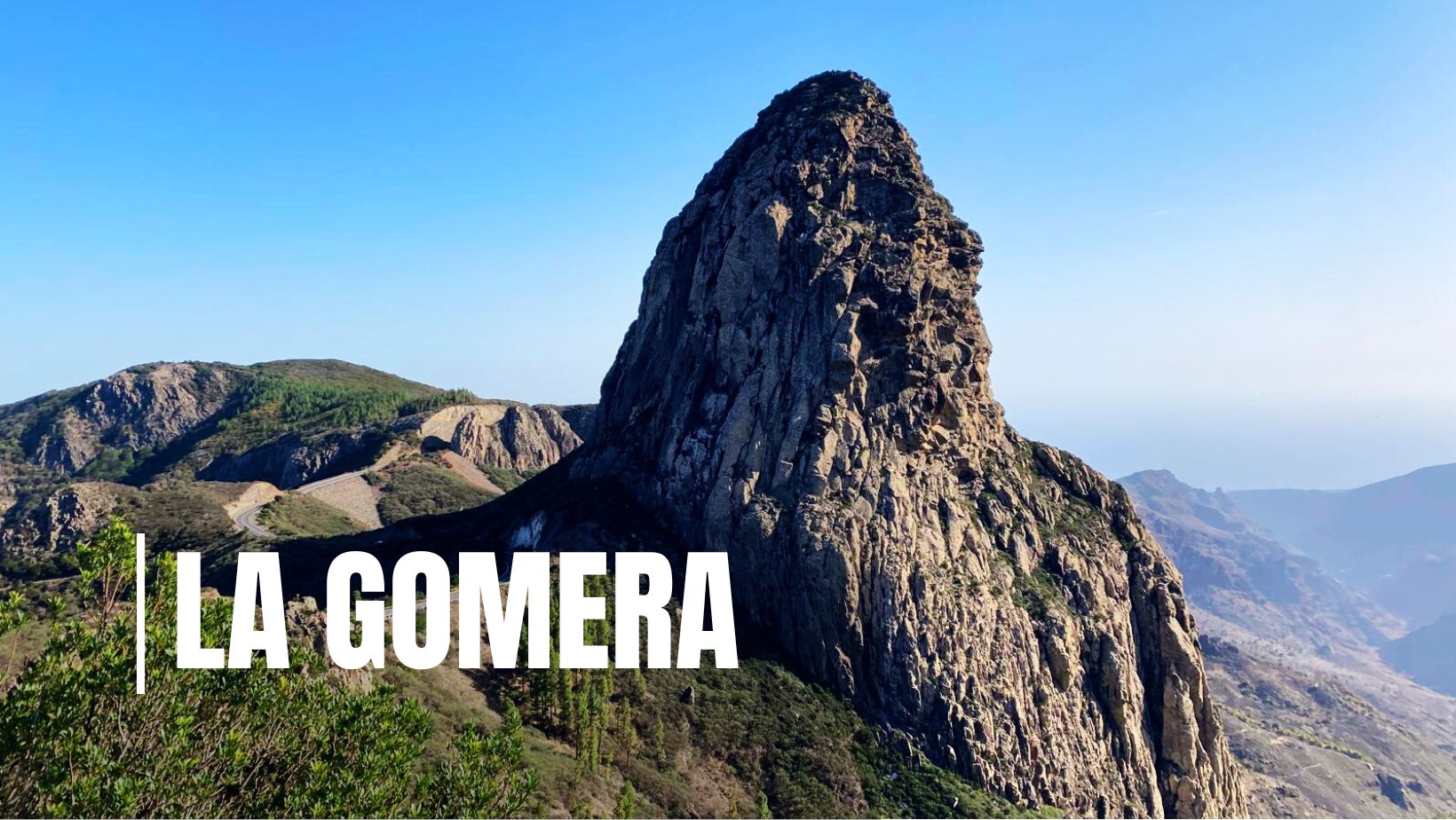
La Gomera is one of the smallest islands in the Canary Islands archipelago, yet one of the most fascinating. Many travelers, visiting Tenerife, don’t even know that only a few dozen minutes away by ferry is an island that looks as if time has stopped there. Deep green canyons, ancient forests rising out of the mist, spectacular cliffs dropping vertically into the ocean, valleys full of banana trees, and villages where the traditional whistling language – silbo gomero – can still be heard, create an atmosphere that can hardly be found on the more famous islands.
La Gomera is a paradise for people who love nature, tranquility and hiking. There are no big resorts, no clubs, and the beaches are few and small. Instead, there is space, silence and nature, which in places looks like the backdrop to a fantasy film.
In this comprehensive guide, you’ll learn about the island’s history, culture, attractions, most beautiful places, practical tips and plenty of interesting facts that will make you fall in love with this remarkable piece of land. And la Gomera tour from Tenerife in Polish is available at this link 👉 click here.
Before La Gomera became one of the Spanish Canary Islands, it was inhabited by the indigenous Guanches, a people of mysterious origin. Although most associate the Guanches mainly with Tenerife, Gomera was also inhabited by their distinct clans. They lived in natural caves, practiced a pastoral and agricultural economy, and their culture can still be admired today, including in museums in San Sebastián and in preserved residential caves in various parts of the island.
One of the most interesting elements of Guanche culture is how they handled communication between ravines – it is from this period that the silbo gomero, or whistled language, still taught in Guanche schools today, originated
La Gomera went down in world history as Christopher Columbus’ last stop before his voyage to America. San Sebastián is home to Columbus’ Well, from which, according to legend, he was to draw water before his voyage across the ocean. Columbus visited the island as many as three times, and the reason was not just for supplies. According to many sources, he had a close relationship with Beatriz de Bobadilla, the island’s mistress at the time. Her character is shrouded in legends – some describe her as a charismatic and influential woman, others as a ruthless and cold ruler.
Regardless of the rumors, the fact is that La Gomera was for centuries an island difficult to conquer and subdue. Its steep cliffs and inaccessible interior meant that it was naturally protected from pirates and invaders. As a result, a host of traditions have been preserved here to this day that have long disappeared on other islands.
Silbo gomero is an absolute phenomenon. It is not a folklore curiosity, but a full-fledged system of communication to convey any information – whistled equivalents of words and sentences. It arose because the islanders lived on opposite slopes of the great ravines. An ordinary shout had no chance of reaching the other side, but a whistle – with specific frequencies – could travel up to 5 kilometers. You’ll hear Silbo Gomero while dining at a local Gomero restaurant during our tour.
In 2009, the silbo gomero was added to UNESCO’s list of Intangible Heritage Sites. What’s more, it is taught compulsorily in schools on La Gomera – every child learns to whistle! This is unique in Europe. There is no other island in the world where whistled communication is still actively used and passed on to the next generation.
In linguistic studies, it has been proven that La Gomera residents who use silbo activate the same areas of the brain during whistling as during normal speech.
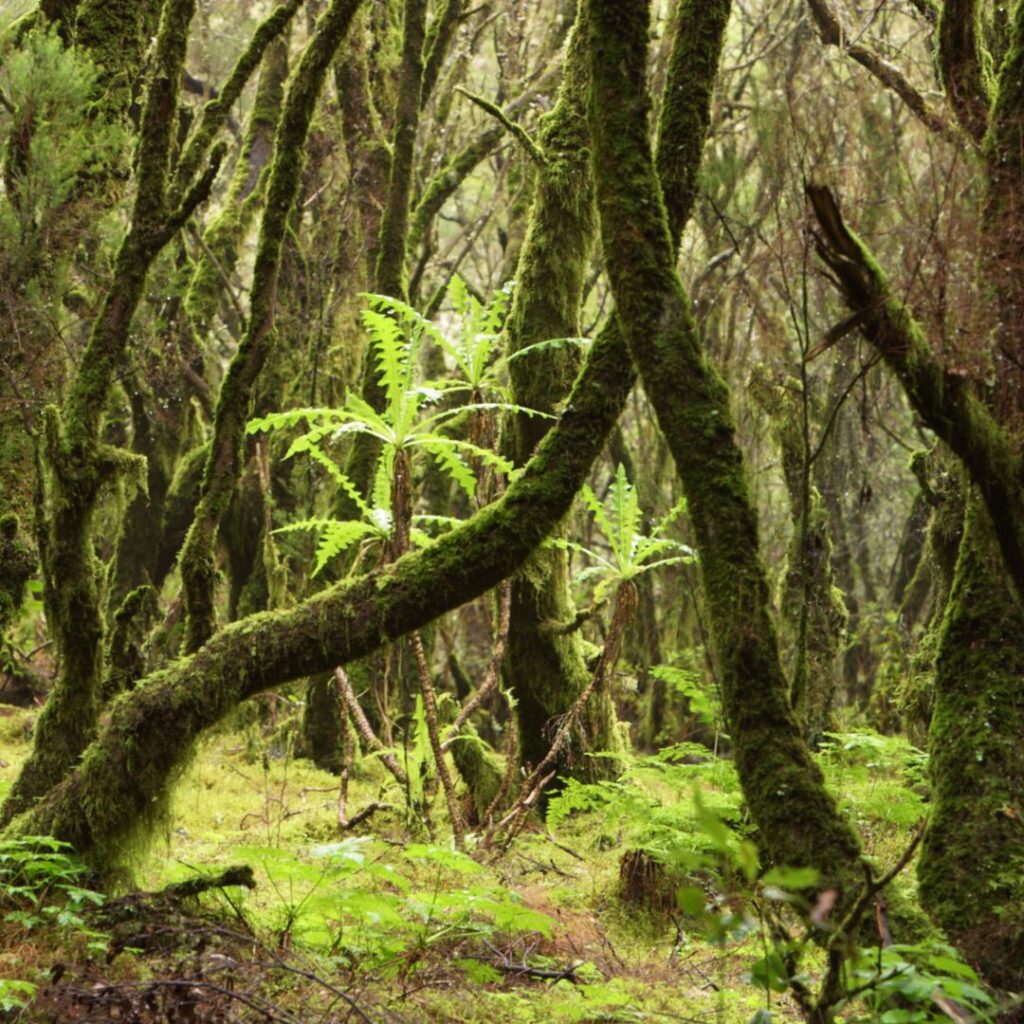
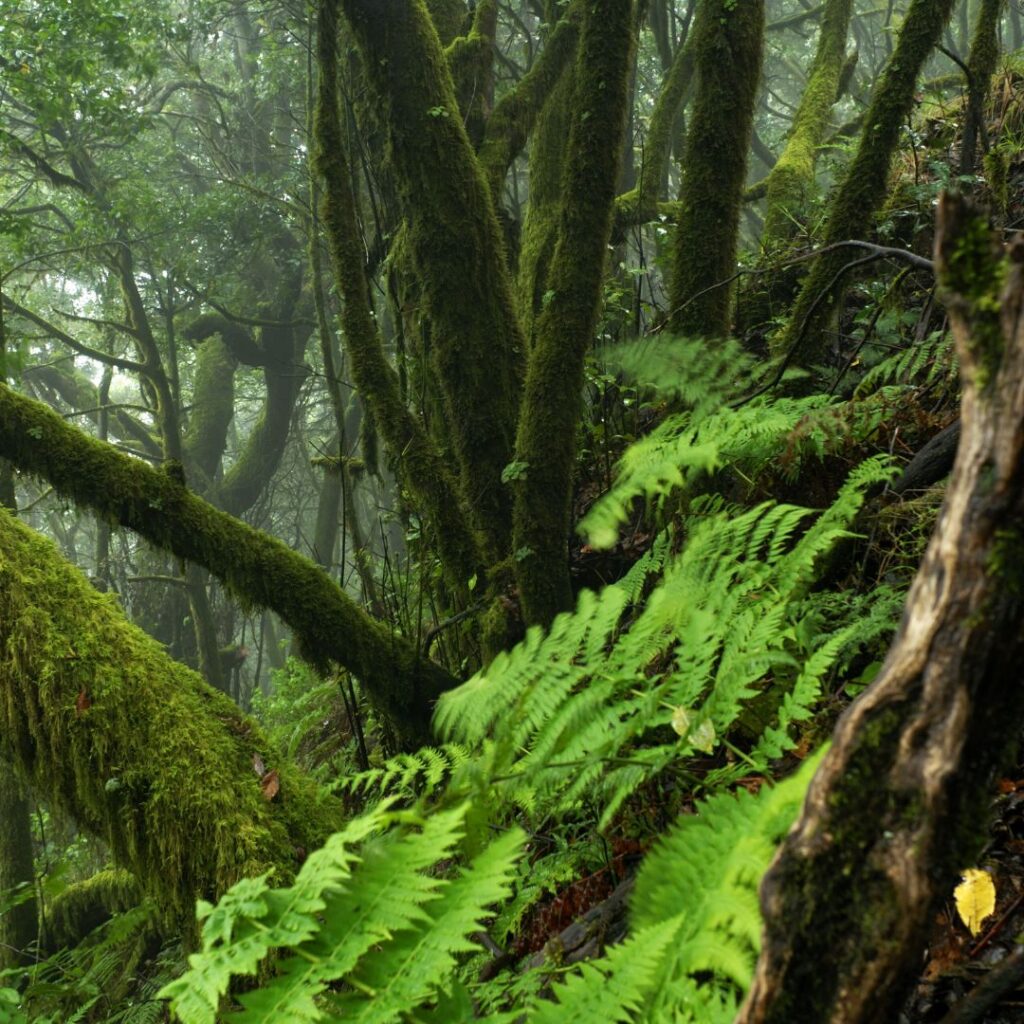
If there’s one place you absolutely can’t miss while on La Gomera, it’s Garajonay National Park. It covers about 10% of the island and is one of the most valuable natural areas in Europe. The laurel forest (laurisilva) that grows in the interior of the island is a relic of subtropical forests that grew here more than 20 million years ago. They became extinct in mainland Europe during the Ice Age, but survived in the Canaries thanks to the mild climate.
The summit of Garajonay (1,487 meters above sea level) can be reached on foot – the panorama of the island and neighboring Canaries is a reward you won’t forget for a long time. On sunny days you can see Tenerife, La Palma, El Hierro and Gran Canaria at the same time. Our round trips, of course, also stop here, and you will have a moment to take a short walk and see this amazing natural phenomenon.
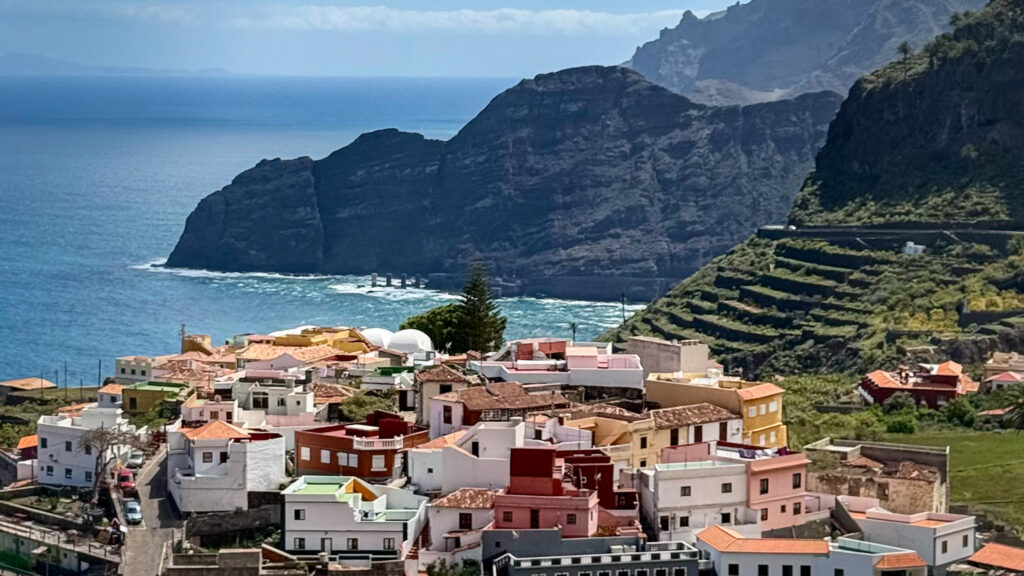
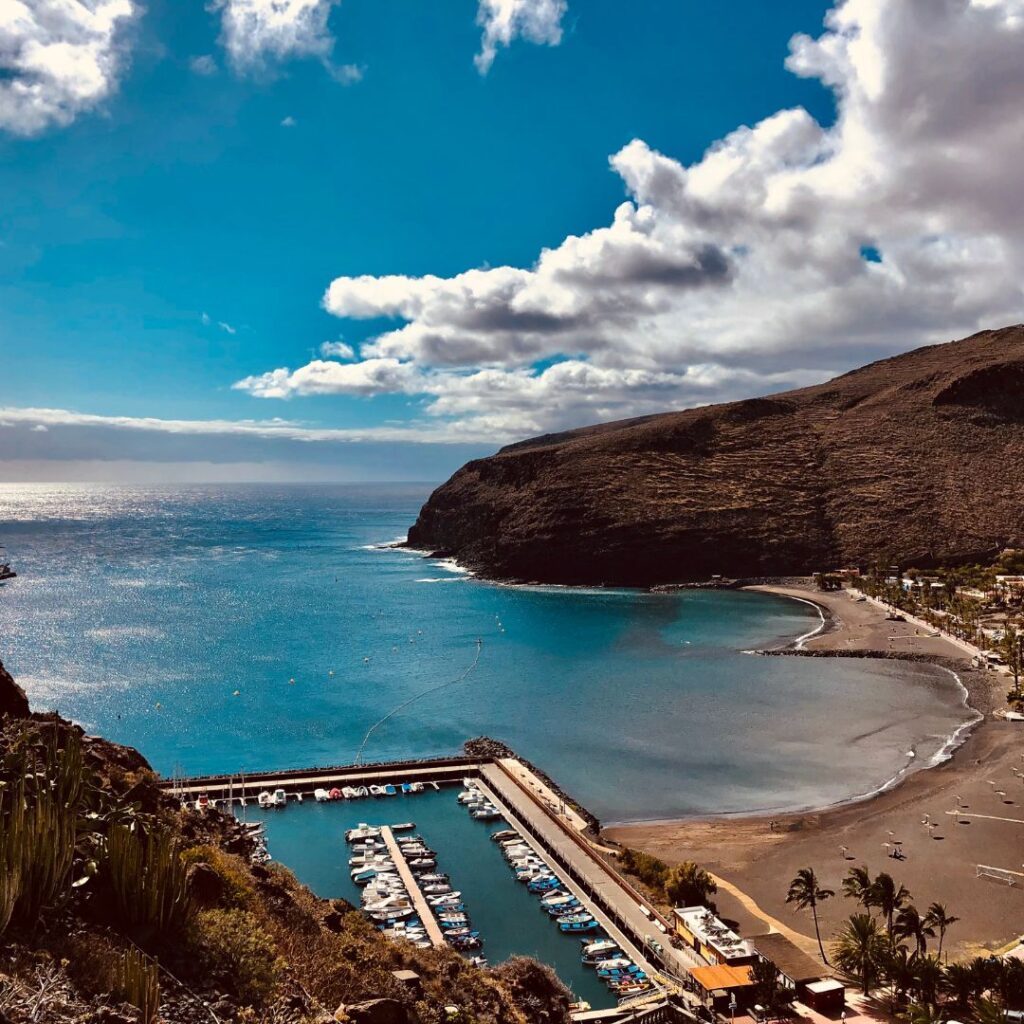
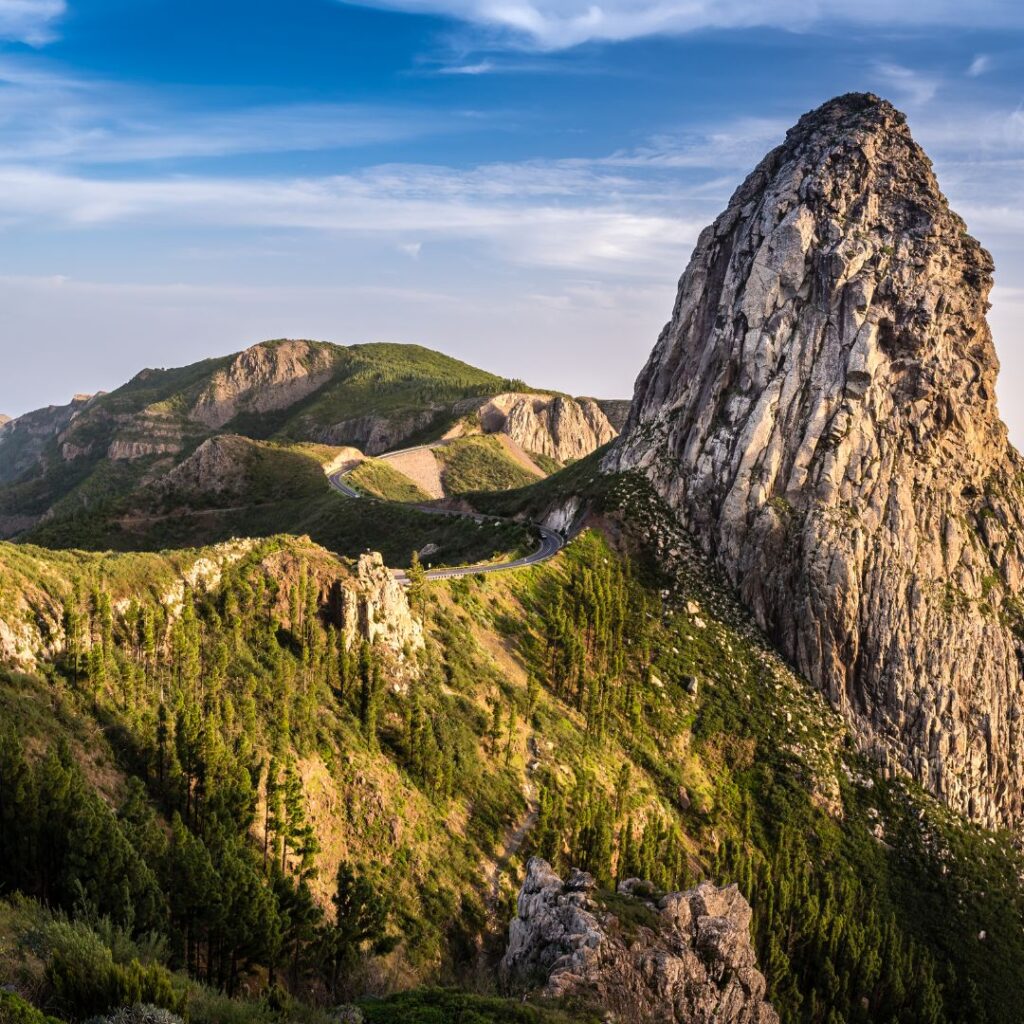
La Gomera is like a huge volcanic dome, with dozens of ravines – barranco– emerging radially from it. Each of them is different, each has a separate microclimate.
La Gomera has no long, wide beaches – cliffs and rocky coves dominate. It is one of the few European islands where the landscape has remained virtually unchanged for hundreds of years.
It’s where the tour usually begins. The town is small, but full of colonial buildings, churches and museums related to Columbus. Worth visiting:
The town has a quiet atmosphere, with the port bustling mainly around the arrival of ferries.
A large, green valley descending in terraces all the way to the ocean. It’s full of banana plantations, picturesque houses and viewpoints suspended high above precipices.
Reasons why tourists love Valle Gran Rey:
It lies in a long, humid valley surrounded by mountains. It is famous for its ancient Pescante natural pools and for having the most stable climate on the island.
Interesting fact: Hermigua advertises itself as having the “world’s mildest weather,” which has a scientific basis – there is a year-round balance of temperature and humidity.
One of the most beautiful towns in the Canary Islands. It is located on a green terrace overlooking the ocean and Tenerife’s majestic Teide.
Biggest attraction:
Mirador de Abrante – a glass balcony suspended 200 meters above the precipice. The view is spectacular, and for those with a fear of heights…. unforgettable.
La Gomera is considered one of the best trekking islands in the world. I’m not exaggerating – the island has more than 650 kilometers of marked trails, and that’s on just 370 km² of land.
The trails range from easy walks to difficult ones that require many hours and significant elevation differences.
La Gomera is not a typical beach destination, but several places deserve attention.
La Gomera is home to several species that cannot be seen anywhere else on Earth.
The Greater Gomer lizard was thought to be extinct for more than 100 years until a small population was discovered in the 1990s. Today it is included in a conservation program.
The island’s cuisine is based on simple, local ingredients. The most famous dishes are:
Plus local wine and tropical fruits – papayas, mangoes, bananas and avocados.
If you are going on vacation in Tenerife, we highly recommend you a day trip with a Polish guide, during which you will see the most important and beautiful places on La Gomera. You will cross to the island by ferry. What may surprise you is that although this island is so close to Tenerife, it is so completely different from it.
La Gomera is a place that needs no great attractions – its greatest attraction is the island itself. Wild, authentic, natural and engaging. Those who visit it once, generally return.
If there is one plant that best captures the mysterious character of the Canary Islands, it is undoubtedly the dragon...
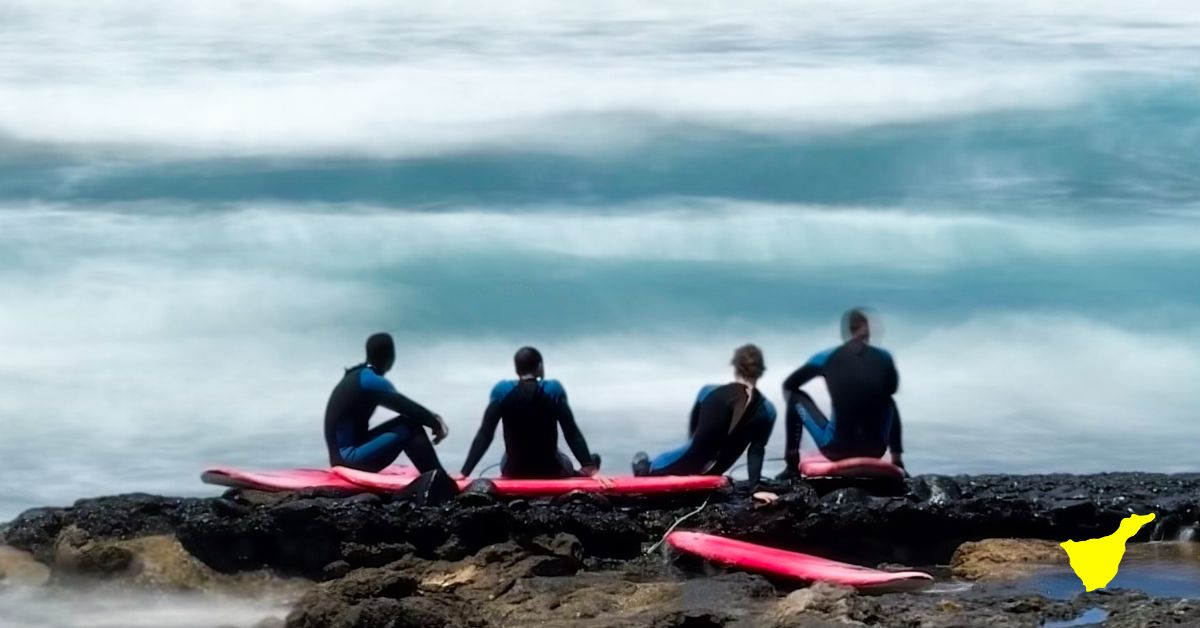
Tenerife is the largest and one of the most diverse islands in the Canary Islands archipelago. It impresses with its...
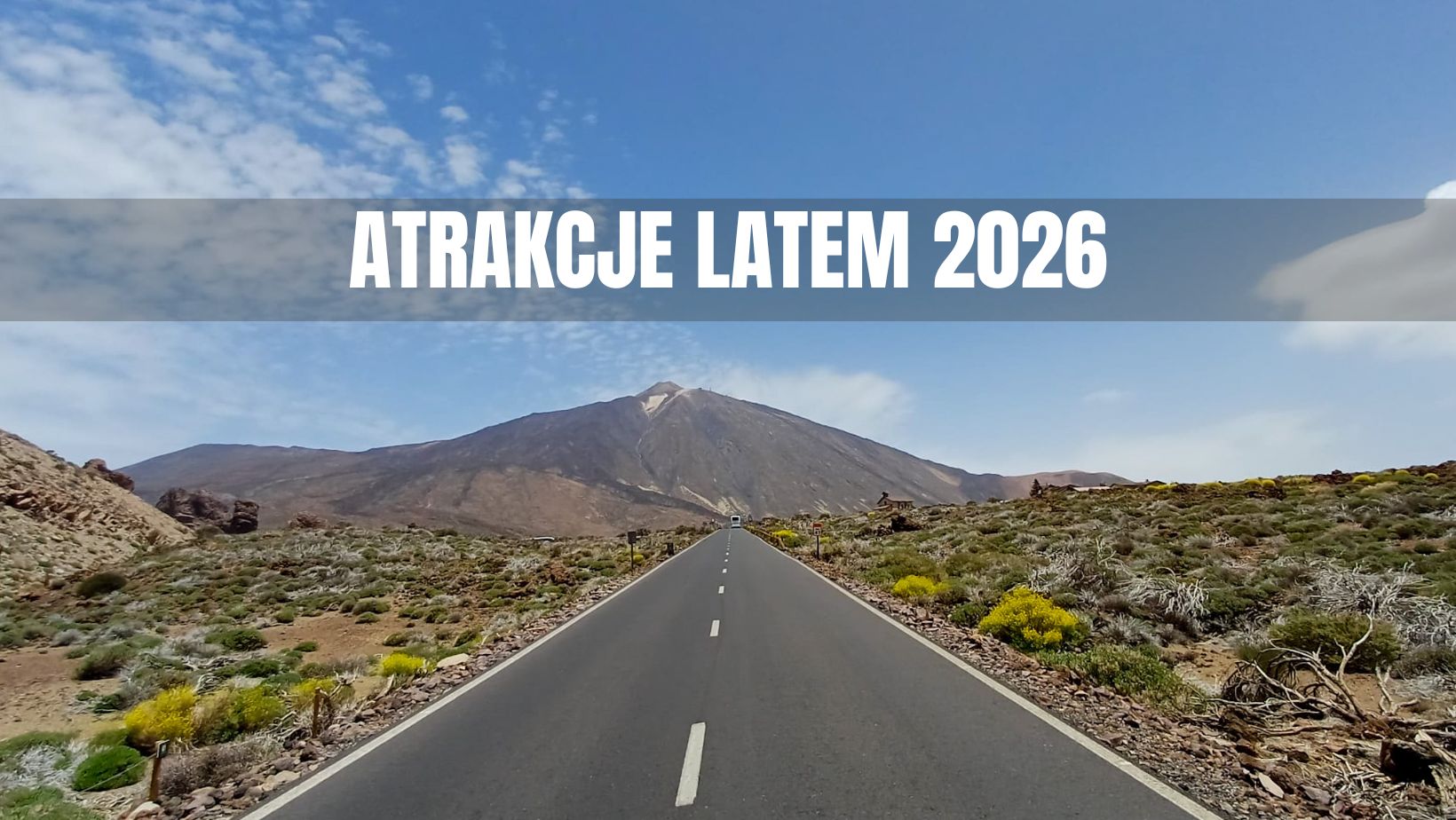
Tenerife is the largest and one of the most diverse islands in the Canary Islands archipelago. It impresses with its...


La Gomera is one of the smallest islands in the Canary Islands archipelago, yet one of the most fascinating. Many travelers, visiting Tenerife, don’t even
