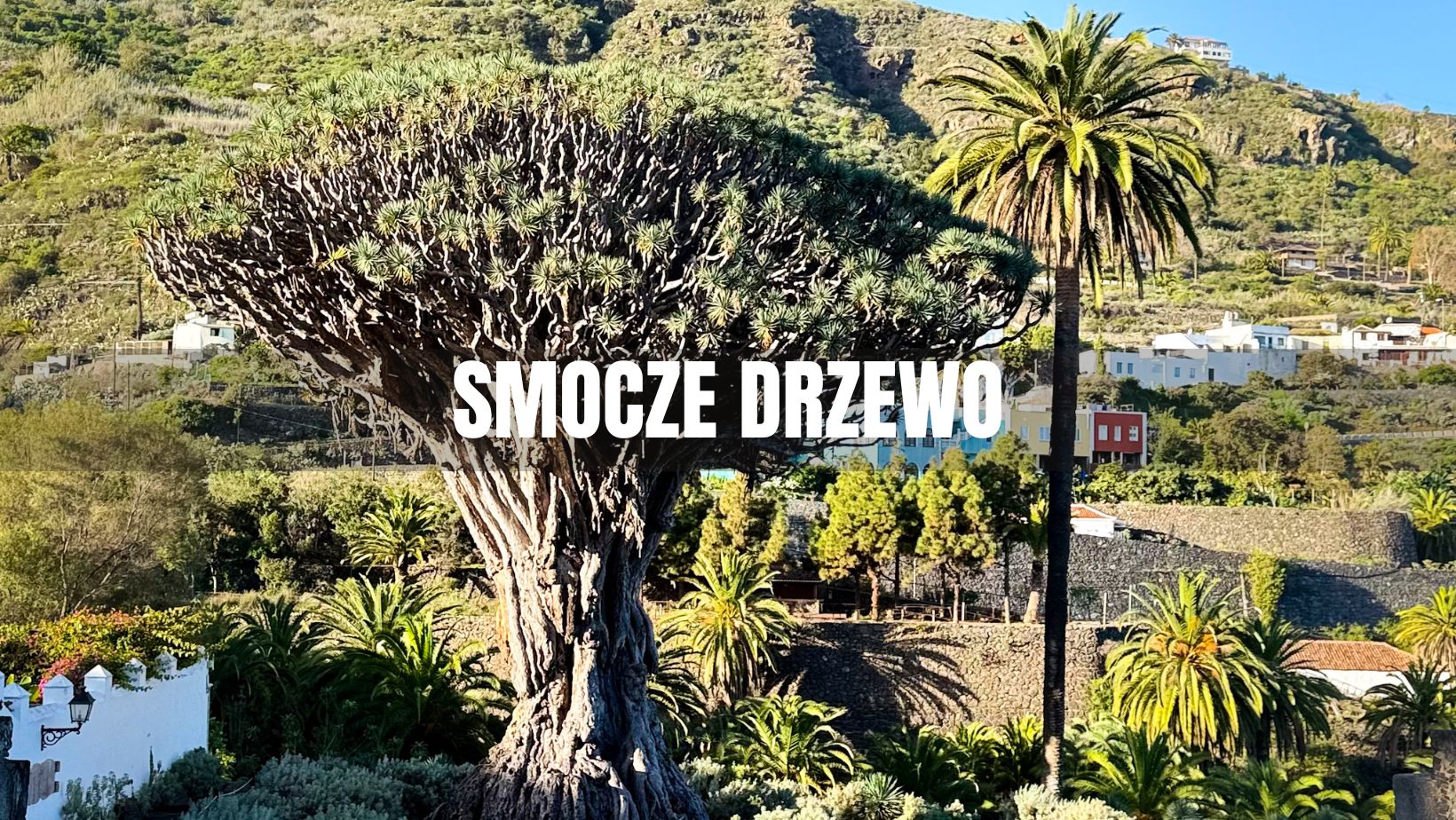
The Dragon Tree in Tenerife—one of the island’s most important symbols
If there is one plant that best captures the mysterious character of the Canary Islands, it is undoubtedly the dragon...

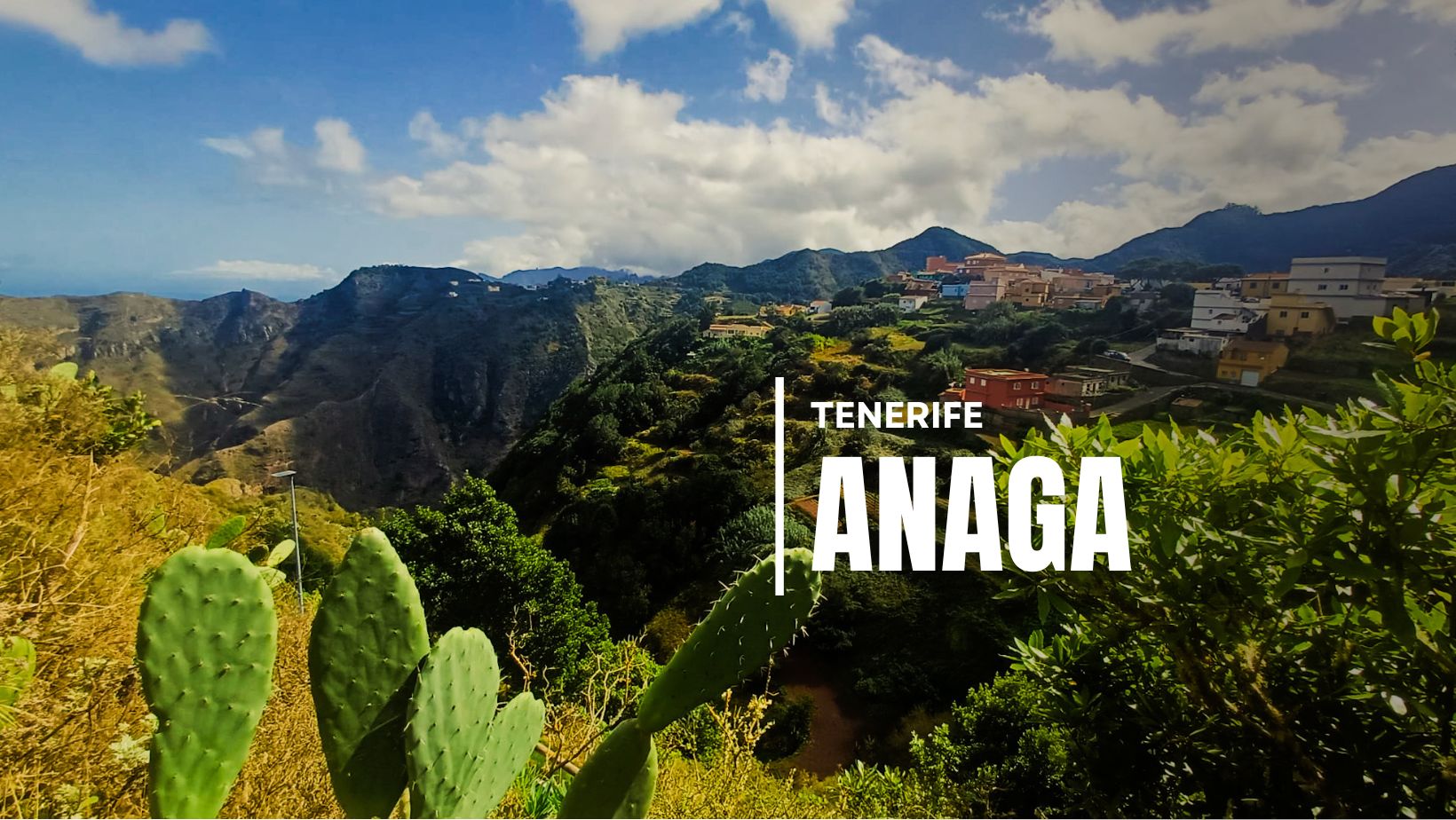
When we think of forests on volcanic islands, we often imagine dry slopes, parched earth, or drought-adapted scrub. Meanwhile, in the northeastern part of Tenerife lies one of the most extraordinary and lush places: the evergreen Anaga Mountains, also known as laurel forests. In this post, we’ll explain why these forests remain green year-round. You’ll get to know what climatic, geological, ecological, and botanical factors prevent trees and vegetation from undergoing the typical seasonal leaf fall, and what this means for Tenerife’s nature, climate, and water.
The area we are talking about – Parque Rural de Anaga – occupies a large part of the Anaga massif, in the north-east of the island of Tenerife (Spain, Canary Islands).
Thanks to this combination of factors – altitude, exposure to wind, humid conditions – a specific type of forest develops here. We can see the laurel forest (laurisilva), which remains green all year round.
To understand why these forests are evergreen, we first need to know what type of vegetation they are.
In the Anaga Mountains in Tenerife, these two concepts are combined: on the steep, humid slopes, a Monteverde-type laurel forest develops.
These are the key reasons why Anaga forests stay green all year round.
The trees in these forests don’t lose their leaves en masse in one season. However, they shed their old leaves gradually, keeping the entire stand looking “green” year-round. The humid climate, however, favors lichens, mosses, epiphytes, and moist understory vegetation, further adding to the impression of “greenness.” The forest in the Anaga Mountains is climatically “closed”. Due to the mists, clouds, and humidity, this forest is sometimes described as “enchanted” or “mysterious”—for example, “Bosque encantado” (“enchanted forest”) 👉 see our video from Bosque Encantado on Instagram.

Why does it matter that the forests are evergreen – both for nature and for the people of Tenerife?
The cherry laurel forests in the Anaga Mountains play a key role in water retention. A moisture from fog and rainfall is retained by dense vegetation, moss, and undergrowth, contributing to groundwater recharge. Tree roots anchor the soil, and the permanent vegetation cover limits surface water runoff, minimizing runoff and soil loss, and ultimately protecting against erosion.
The permanent, humid forest zone favors the development of plants and animals, including highly specialized species endemic to the Canary archipelago. These forests provide an important habitat for species that might not survive in more seasonal conditions — for example, certain species of insects, mosses, and birds.
The unique character of the forest makes it a key element of Tenerife’s tourist map. A walk in the green forests of Anaga is a completely different experience than, say, a beach trip. If you’d like to see the Anaga Mountains, join us on a guided tour with a Polish guide 👉 check out our tour options.
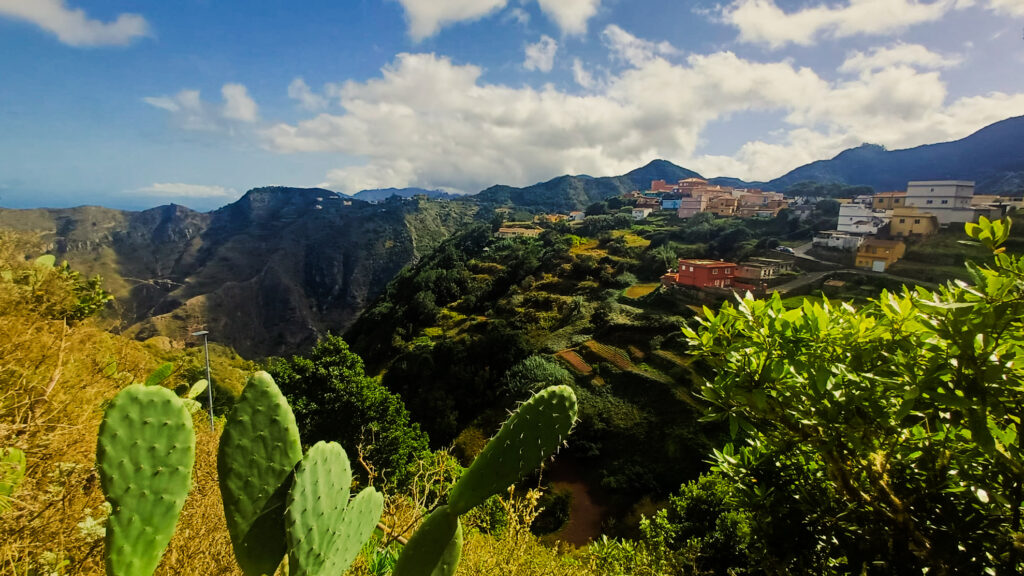
The evergreen Anaga forest influences the microclimate of the area: more shade, moisture retention, lower temperature fluctuations – it is highly valued by local residents.
While these forests are unique, they also face threats. The Anaga forests have been heavily exploited since the arrival of Europeans. As a result, only about 10% of the original Anaga laurel area remains. Furthermore, climate change is being observed: changing rainfall patterns and droughts can reduce humidity and thus affect the functioning of the ecosystem. Tourist and infrastructure pressures. Although tourism is important, overexploitation of trails, fragmentation of the forest, and footpaths can affect its condition. Therefore, free permits are issued for some trails (e.g., the Bosque Encantado) to limit tourist traffic.
The forests of the Parque Rural de Anaga are evergreen thanks to a unique combination of climate. Humidity, temperature constancy, geology, topography, and vegetation characteristics make it a special place. This ecosystem is not just a visual feast—it is an important component of Tenerife’s water cycle, biodiversity, and local climate.
If you’re planning a trip to Tenerife, a visit to Anaga offers the chance to see forests preserved as relics of bygone times. The experience is unique: walking among the evergreen canopy, moss, mist, and humidity, you’ll feel like you’re in a subtropical jungle, yet just a stone’s throw from the Atlantic coast.
If there is one plant that best captures the mysterious character of the Canary Islands, it is undoubtedly the dragon...
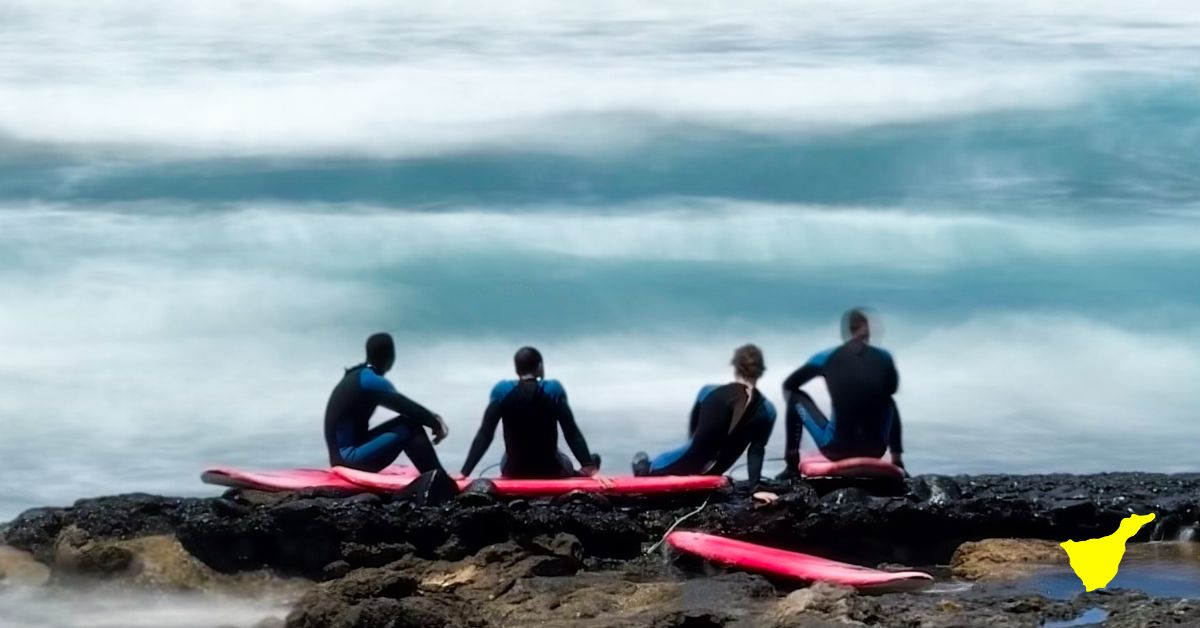
Tenerife is the largest and one of the most diverse islands in the Canary Islands archipelago. It impresses with its...
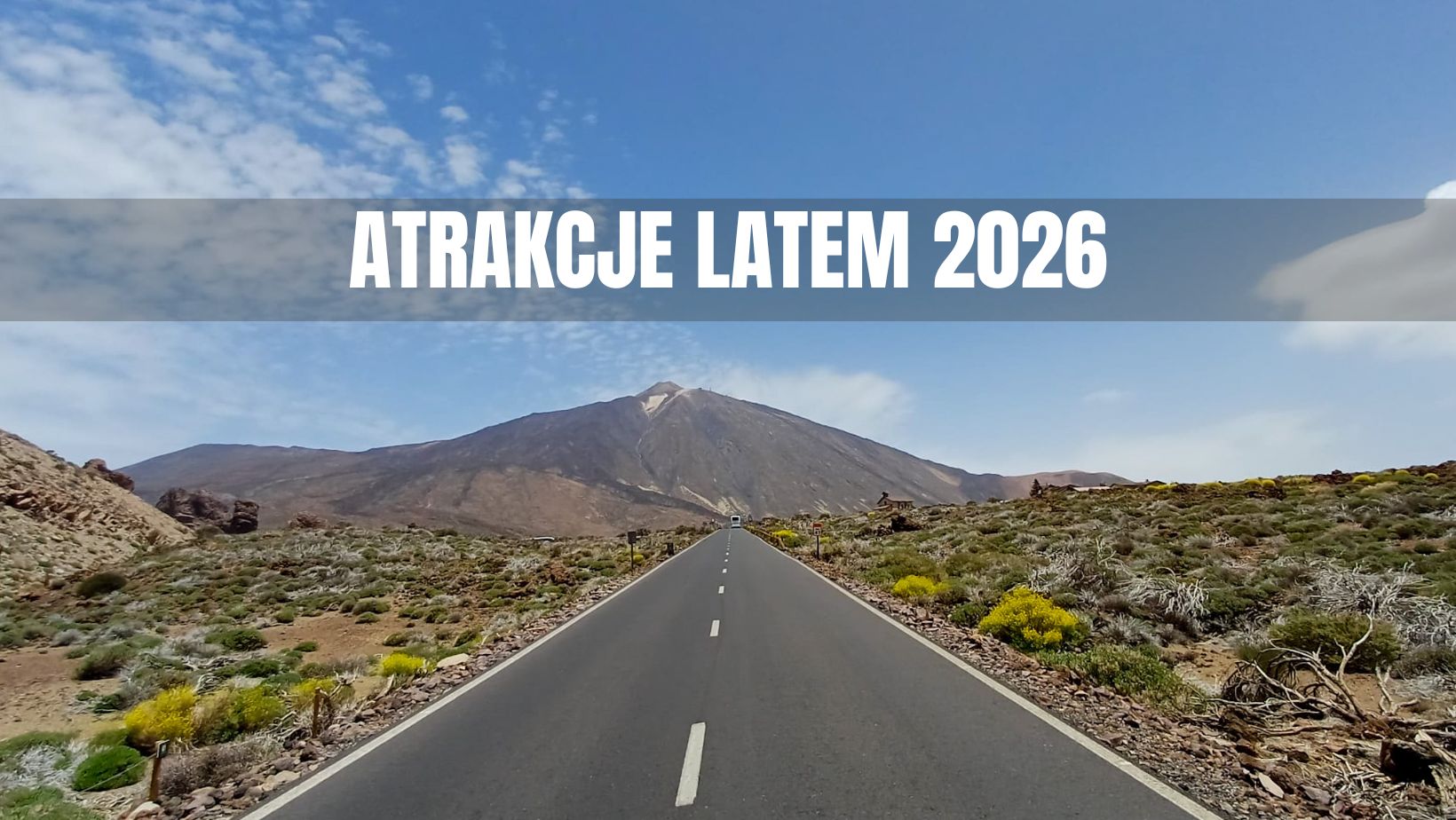
Tenerife is the largest and one of the most diverse islands in the Canary Islands archipelago. It impresses with its...


When we think of forests on volcanic islands, we often imagine dry slopes, parched earth, or drought-adapted scrub. Meanwhile, in the northeastern part of Tenerife
