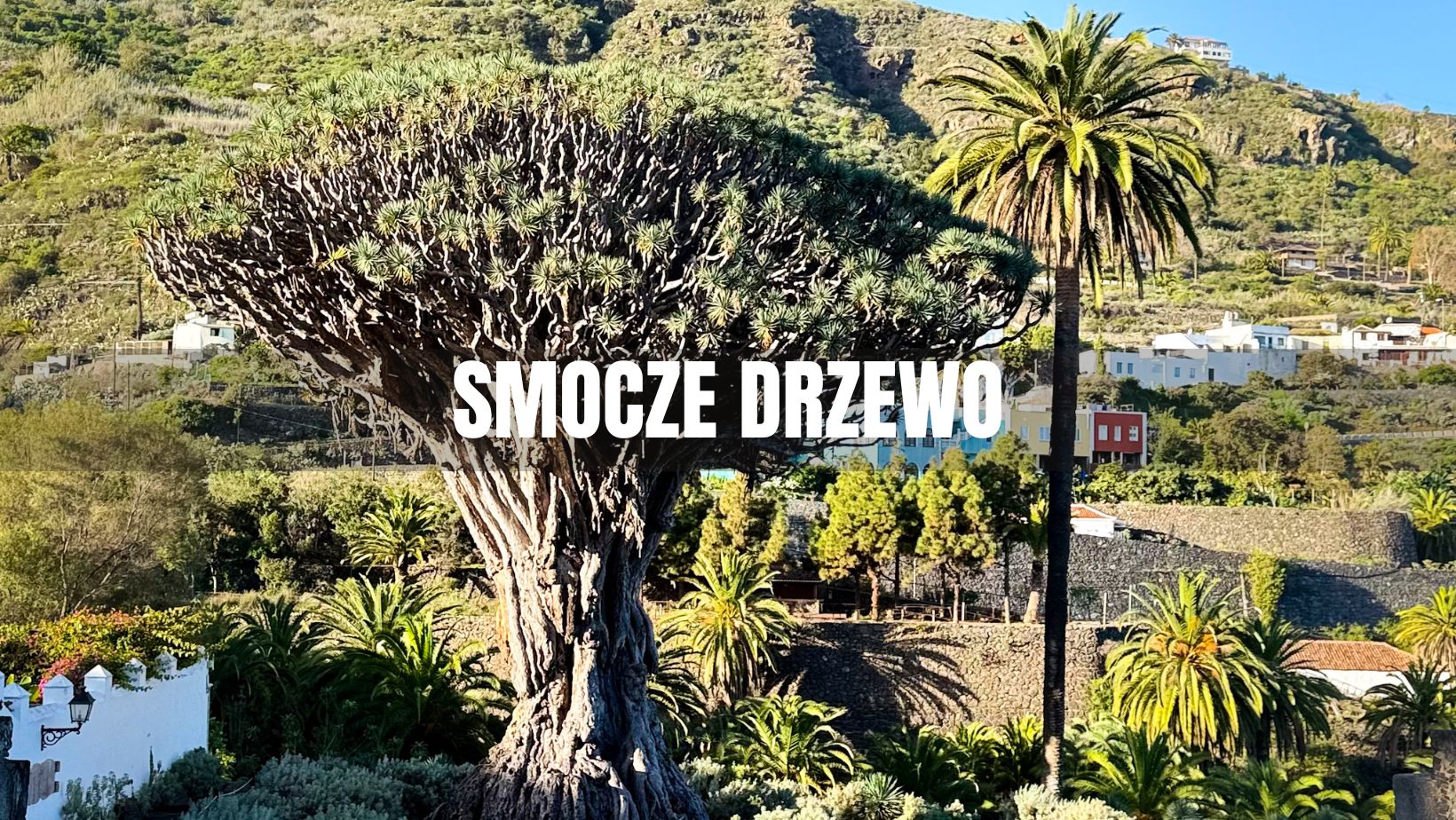
The Dragon Tree in Tenerife—one of the island’s most important symbols
If there is one plant that best captures the mysterious character of the Canary Islands, it is undoubtedly the dragon...

Mon-Sat: 10:00 am - 7:00 pm
OleTenerife.pl / Blog / Canary Islands
The Canary Islands are a true jewel of the Atlantic! This Spanish archipelago impresses with its contrasts – from rugged volcanic landscapes to fabulous golden beaches. It consists of seven main islands and several smaller ones, and their volcanic origins give them a unique character. It is a place where wild nature intertwines with rich culture, attracting travelers from all over the world.
The archipelago is part of Macaronesia, a region that also includes the Azores, Madeira and Cape Verde. With a mild climate that lasts all year round, the Canaries are one of the most popular tourist destinations. And no wonder! The sun shines here almost constantly, and tourism is a key pillar of the local economy, accounting for about 30% of the regional GDP.
The islands are home to about 2.2 million people. The largest city is Las Palmas de Gran Canaria, and the other capital of the archipelago is Santa Cruz de Tenerife, famous for one of the most spectacular carnivals in the world. But that’s just the beginning! The islands also hide extraordinary national parks, such as:
The Canaries is not only a paradise for nature lovers, but also a place with a fascinating history and culture. How do the volcanic landscapes affect the daily lives of the locals? This question may inspire you to explore this remarkable corner of the world. Maybe it’s time to pack a suitcase and set out on a journey?
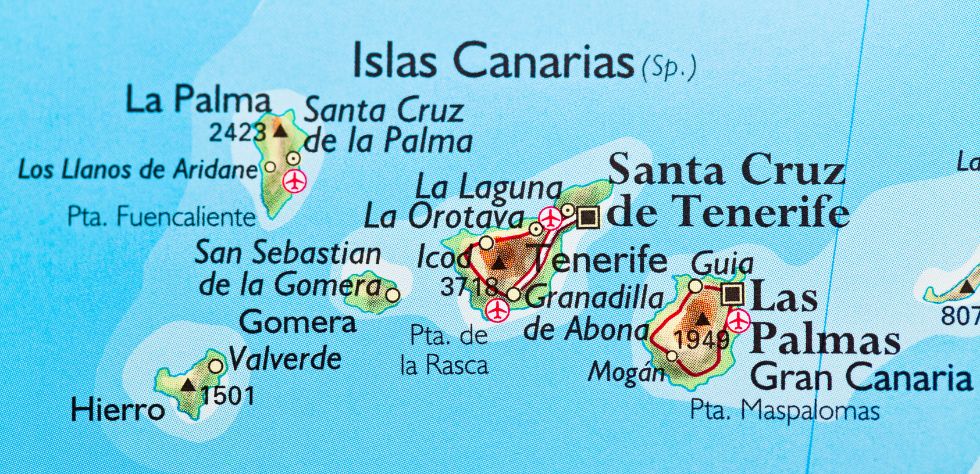
The Canary Islands, also known as the Canary archipelago, are a remarkable corner of the world located in the Atlantic Ocean, about 100 km off the coast of Morocco. Although geographically closer to Africa, administratively they belong to Spain. The archipelago consists of seven main islands: Tenerife, Gran Canaria, Fuerteventura, Lanzarote, La Palma, La Gomera and El Hierro, as well as several smaller islets. It has a total area of 7446.94 square kilometers, which translates into an extraordinary variety of landscapes – from rugged volcanic terrain to green valleys full of lush vegetation.
It is the volcanic origin that gives the islands their unique character. Craters, solidified lava and rocky formations create spectacular landscapes that have fascinated tourists and scientists alike for years. The unique geology, combined with the abundance of flora and fauna, makes the Canary Islands a place full of contrasts and natural wonders.
The Canary Islands are located in the Atlantic Ocean, about 100 kilometers off the African coast. Their strategic location has made them a key point on the map of sailing routes for centuries, connecting Europe, Africa and the Americas.
Despite its proximity to Africa, the archipelago belongs to Spain and is part of the European Union. Each island has its own unique character:
The extraordinary variety of landscapes makes the Canary Islands one of the most fascinating travel destinations.
The Canary Islands are part of a larger geographic region known as Macaronesia, which also includes the Azores, Madeira and Cape Verde. All of these archipelagos are united by their volcanic origins and unique climatic conditions, which favor the development of endemic plant and animal species.
The region stands out:
Macaronesia is one of the world’s most intriguing regions, attracting both tourists and scientists studying the impact of island isolation on the development of ecosystems. What secrets do these remote islands hold? This question continues to inspire researchers to uncover their remarkable history and nature.
The Canary Islands archipelago consists of seven main islands, each with its own unique character. Tenerife, Gran Canaria, Fuerteventura, Lanzarote, La Palma, La Gomera and El Hierro attract tourists from all over the world. The rugged volcanic landscapes here are intertwined with fabulous beaches. Tenerife is the largest of the islands, while Gran Canaria impresses with its diversity – from desert dunes to green valleys.
Tenerife is the heart of the archipelago, known primarily for its majestic Teide volcano, which rises to 3718 meters above sea level, being Spain’s highest peak. Teide National Park offers landscapes reminiscent of the surface of Mars – austere, mysterious and almost unreal. For centuries, the volcano has inspired legends and stories about the power of nature, attracting tourists and nature lovers alike.
Gran Canaria is an island of contrasts. On the one hand, the
Lanzarote is a place where nature and art form a harmonious whole. Timanfaya National Park impresses with rugged volcanic landscapes that look like they are from another planet. The works of César Manrique, scattered throughout the island, emphasize its unique character, combining modern architecture with natural surroundings.
It’s an island where you can feel the power of the elements, and at the same time admire how man can interact with nature.
Fuerteventura is synonymous with golden beaches and turquoise ocean. It is the second largest island in the archipelago and is famous for its excellent water sports.
La Palma, nicknamed “La Isla Bonita,” impresses with its lush vegetation and spectacular views. The Caldera de Taburiente National Park is the heart of the island – a deep crater surrounded by dense forests and waterfalls.
It is also one of the best places in the world for stargazing. At the top of the Roque de los Muchachos is one of the most important astronomical observatories.
La Gomera is an island where time passes more slowly and nature delights in its primordial form. The UNESCO-listed Garajonay National Park protects ancient laurel forests that recall landscapes from thousands of years ago.
The island is also famous for its unique whistled language, Silbo Gomero, which residents use to communicate over long distances. La Gomera is a place where tradition and nature form an unusual symbiosis.
El Hierro is the smallest but most eco-friendly island in the archipelago. It relies on sustainable development and renewable energy sources, striving for self-sufficiency.
The Canary Islands are not only fabulous beaches and picturesque landscapes, but also rich history and unique culture. Interestingly, the archipelago has as many as two capitals: Las Palmas de Gran Canaria and Santa Cruz de Tenerife. Both cities are bustling and offer tourists a wealth of attractions – from historic buildings to modern entertainment centers. Each has its own unique atmosphere worth discovering.
Las Palmas de Gran Canaria, located on the island of Gran Canaria, is the largest metropolis in the Canary Islands and one of the two administrative centers of the region. It’s a place where the past is intertwined with the present – strolling through the charming Vegueta district, you can admire colonial buildings and visit museums that take a look at the history of the archipelago.
The city also serves as a key economic and transportation hub, making it an excellent starting point for exploring the entire island. With its extensive tourist infrastructure, Las Palmas attracts both beach lovers and cultural enthusiasts. Among the city’s attractions worth mentioning:
Santa Cruz de Tenerife, located on Tenerife, is the second administrative center of the Canary Islands. The city is best known for one of the most spectacular events in the world – the Carnival of Santa Cruz de Tenerife. It is a true explosion of color, music and dance, which every year attracts crowds of tourists eager to experience this extraordinary atmosphere.
However, Santa Cruz is not just a carnival. It is also one of the most important seaports in the region, making it an important commercial and tourist center. Among the city’s most interesting attractions are:
Santa Cruz is a city that delights in every season and always has something new to offer. Whether you are interested in history, culture or just want to feel the unique climate of the Canary Islands, this is the place to visit.
The Canary Islands are a true paradise for nature lovers! Each of them delights with a different landscape – from rugged volcanic wilderness to lusciously green laurel forests. Thanks to their unique geological origins and mild climate, the archipelago offers spectacular views and unforgettable experiences.
It’s a place where majestic peaks meet the boundlessness of the ocean, and natural diversity attracts tourists and explorers alike. What makes these islands so special? The secret lies in their unusual geology and climate, which together create a true natural wonder.
Tenerife’s Teide National Park is one of the most spectacular places in Spain. The Teide volcano, rising 3,718 meters above sea level, dominates the island’s landscape and is the third-highest volcano in the world, if you count from its base on the ocean floor.
Its rugged volcanic formations and vast lava fields create an almost otherworldly landscape that fascinates both tourists and scientists studying volcanism and astrobiology. Walking through the park, you can admire the unusual rock formations and, on a clear night, one of the best places in the world to observe the stars.
It is interesting to note that Teide’s landscape has served as inspiration for simulations of Martian space missions. It’s a place that combines the raw beauty of nature with scientific fascination.
Timanfaya National Park in Lanzarote is a trip back in time to an era of powerful volcanic eruptions. Formed as a result of a series of eruptions in the 18th century, the park impresses with its rugged, almost surreal landscape. Red, black and orange lava fields stretch to the horizon, creating a view reminiscent of the surface of another planet.
One of the biggest attractions is the opportunity to experience geothermal phenomena:
It’s an amazing reminder that powerful forces of nature still lie dormant beneath the earth’s surface. How has this harsh landscape affected the culture and lives of the people of Lanzarote? It’s a fascinating question worth exploring.
Garajonay National Park on La Gomera is a verdant oasis that takes visitors back to prehistoric times. The laurel forests, known as laurisilva, are a relic of the Tertiary era, when similar vegetation covered much of Europe. Today it is one of the last places in the world where this unique ecosystem can be enjoyed.
The mist hovering over the dense treetops, the humid air and the ever-present greenery create an almost fairy-tale-like atmosphere. The park is home to many endemic species of plants and animals, and its protection is crucial to preserving the biodiversity of the Canary Islands.
What other secrets do these ancient forests hide? This question invites you to further explore the extraordinary nature of La Gomera.
The Canary Islands, also known as the Lucky Islands, have a rich history dating back to antiquity. Their strategic location in the Atlantic Ocean has made them a meeting place for various civilizations over the centuries. Sailors, explorers and colonizers left behind traces that still shape the unique identity of the archipelago today.
One of the most fascinating parts of the islands’ history is its original population – the Guanches. This Berber ethnic group inhabited the archipelago long before the arrival of the Spanish, creating their own culture and traditions. Although Spanish colonization almost completely obliterated their traces, their heritage is still present in local customs, language and art.
The Guanches, indigenous to the Canary Islands, were descended from the North African Berbers. Living in isolation, they created a unique culture based on their own language, beliefs and rituals. Their community functioned in harmony with nature, and the social structure resembled the tribal organizations known from other parts of the world.
Spanish colonization in the 15th century brought not only new technology and religion, but also the almost complete destruction of Guanche culture. Nevertheless, their influence is still evident:
Archaeologists and historians are constantly uncovering new facts about this mysterious civilization. What would life be like in the Canary Islands if the Guanches had survived until today? This question is still open to lovers of history and culture.
Carnival in Santa Cruz de Tenerife is one of the most spectacular cultural events in the world. Every year in Tenerife, thousands of tourists and locals take part in this colorful celebration, full of music, dance and stunning costumes. This celebration combines tradition and modernity to create an unforgettable atmosphere.
The roots of Carnival date back to colonial times, when islanders held lavish parties before Lent. Today it is one of the largest such events in the world, and its popularity is constantly growing. What makes this carnival so special?
If you’ve ever dreamed of attending a real fiesta, Santa Cruz de Tenerife is a must-visit destination.
Canarian cuisine is a fascinating combination of Spanish traditions and local influences that have shaped the flavors of this remarkable archipelago for centuries. Thanks to the unique location of the islands, the local dishes combine fresh ingredients with simplicity of preparation, creating an authentic culinary experience. Traditional dishes are based on fish, seafood, vegetables and aromatic spices, giving them a unique character.
One of the most recognizable elements of this cuisine are Canarian desserts, often prepared according to recipes passed down from generation to generation. The influence of the different cultures that have visited the archipelago over the centuries has enriched the local flavors with exotic touches. It is this diversity that makes Canarian cuisine so intriguing and worth discovering.
One of the most distinctive dishes of the Canary Islands is papas arrugadas – small potatoes cooked in heavily salted water until their skin is covered with a fine salt coating. This simple but extremely flavorful dish is served with traditional mojo sauces, which come in two variations:
These sauces perfectly highlight the flavor of the potatoes, creating a harmonious composition. Papas arrugadas are not only a culinary highlight of the archipelago, but also a symbol of the simplicity and authenticity of Canarian cuisine. Their preparation is extremely easy, making them a popular choice both in home kitchens and in restaurants serving local specialties. They are a perfect example of how just a few ingredients can create a dish full of flavor and tradition.
Gofio is one of the oldest and most distinctive ingredients in Canarian cuisine. It is a roasted flour, usually corn or wheat, that has been a staple in the diet of islanders for centuries. With its unique flavor and high nutritional value, gofio was an integral part of daily meals, providing energy for farmers and fishermen.
The versatility of gofio means that it can be added to:
Although its history dates back to the time of the indigenous inhabitants of the Canary Islands, today gofio still enjoys great popularity. Modern Canarian cuisine is eager to take advantage of this traditional product, giving it new and creative uses. Perhaps this is the perfect time to try it yourself and discover its extraordinary flavor?
Planning a trip to the Canary Islands? An excellent choice! Before you start packing your suitcases, it is worth knowing some key information that will make it easier to organize your trip. This picturesque archipelago impresses not only with its fabulous landscapes and rich culture, but also with its well-developed tourist infrastructure. Regardless of your budget or preferences, you will find the perfect place to stay and convenient means of transportation.
The Canary Islands are a year-round destination! Thanks to the subtropical climate, temperatures here are pleasant all year round. If you want a quiet vacation without crowds, the best choice would be spring or autumn – the weather is ideal then, and popular attractions are less crowded. In summer there are more tourists, but warm evenings are conducive to long walks and outdoor dinners.
The weather in the Canary Islands is one of its greatest assets. The sun shines here almost all year round, and rainy days are rare. Depending on the season, you can expect:
Travel to the Canary Islands is quick and convenient. The best option is direct flights from Poland, which take about 5-6 hours. Alternatively, sea adventurers can choose a boat cruise. Various modes of transportation are available locally:
In the Canary Islands you will find accommodations for every budget:
Whatever your choice, you can count on hospitality and a high standard of service.
The Canary Islands hide plenty of surprises – from hidden beaches to colorful festivals. What else will surprise you? Find out on the spot!
The Canary Islands are much more than golden beaches and a mild climate. This is an archipelago full of contrasts – from the harsh, volcanic landscapes of Lanzarote to the lusciously green laurel forests of La Gomera. Each island has its own unique character, and their diversity means there is something for everyone. It’s a place where nature intertwines with history, creating a space for both blissful relaxation and active exploration.
A trip to this Spanish archipelago is not only an opportunity to enjoy spectacular views, but also a chance to immerse yourself in the local culture. The festivals here teem with color and music, reflecting the richness of tradition, while the cuisine – based on fresh regional produce – delights with its simplicity and depth of flavor. Or have you wondered what daily life is like for the inhabitants of these remarkable islands? It’ s best to find out for yourself. The Canary Islands are waiting for you to discover their magic for yourself!
If there is one plant that best captures the mysterious character of the Canary Islands, it is undoubtedly the dragon...
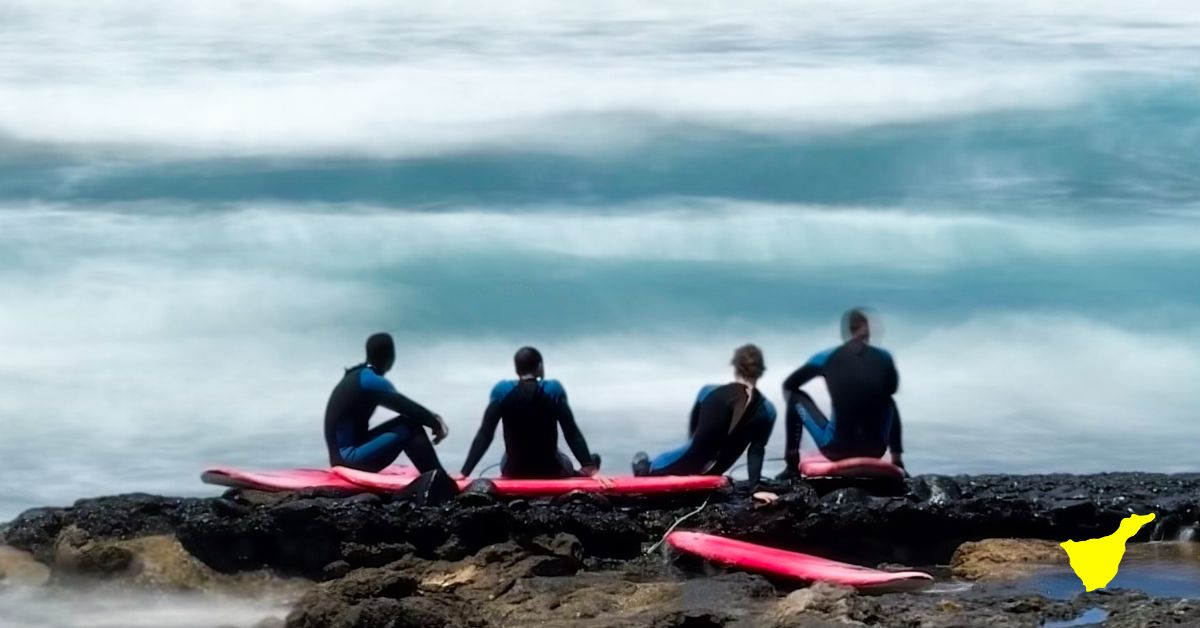
Tenerife is the largest and one of the most diverse islands in the Canary Islands archipelago. It impresses with its...
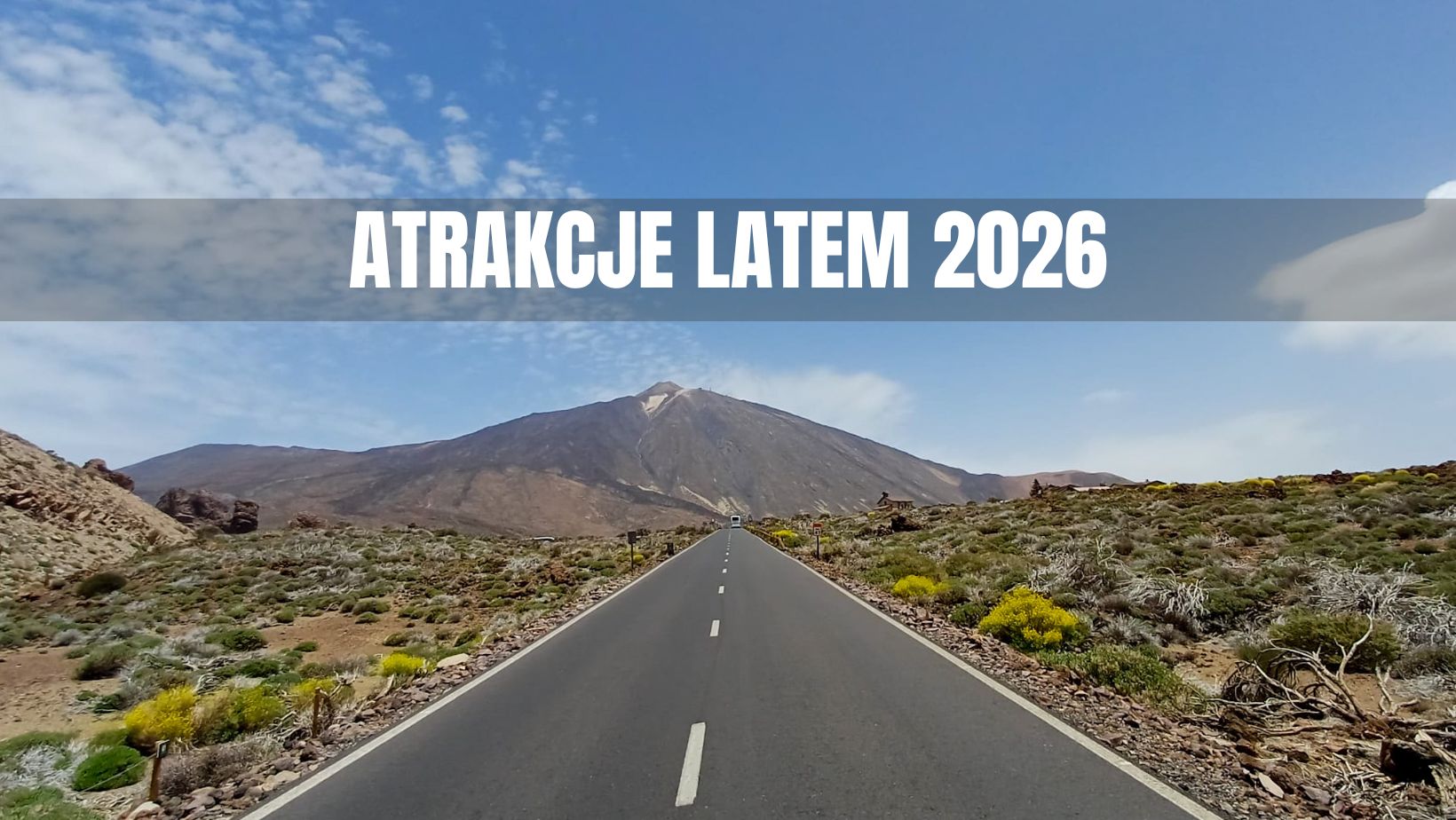
Tenerife is the largest and one of the most diverse islands in the Canary Islands archipelago. It impresses with its...

95,00 €
Previous lowest price was 95,00 €.


200,00 €
Previous lowest price was 200,00 €.
55,00 €
Previous lowest price was 55,00 €.
180,00 €
Previous lowest price was 180,00 €.
170,00 €
Previous lowest price was 170,00 €.
Canary Islands – a guide to the Spanish archipelago The Canary Islands are a true jewel of the Atlantic! This Spanish archipelago impresses with its
