
The Dragon Tree in Tenerife—one of the island’s most important symbols
If there is one plant that best captures the mysterious character of the Canary Islands, it is undoubtedly the dragon...

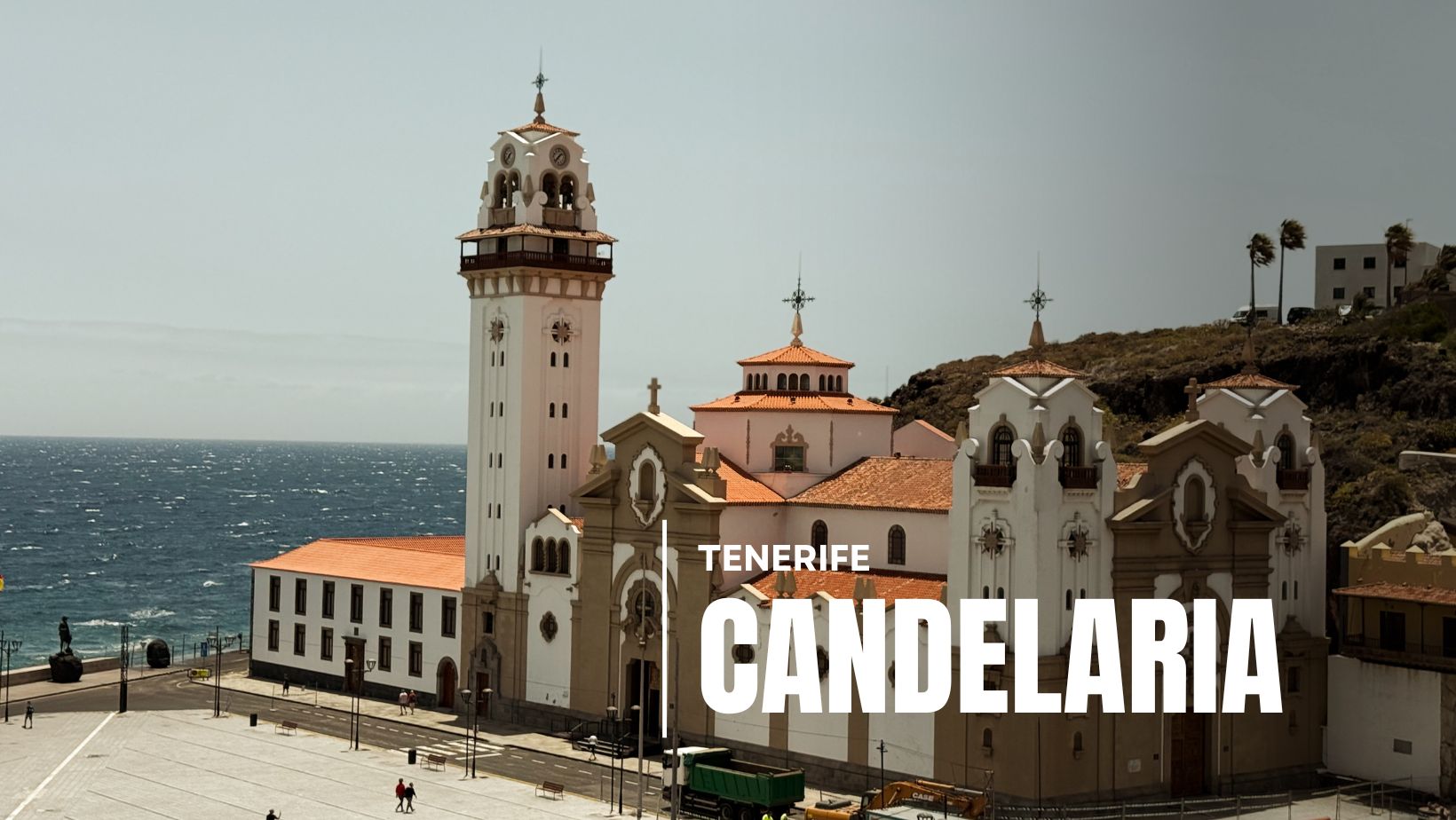
Candelaria is a picturesque town located on the east coast of Tenerife, the largest of the Canary Islands. It is located only about 17 kilometers south of the island’s capital, Santa Cruz de Tenerife. This makes it easily accessible both by car and by local transportation from different parts of the island.
The city stands on the Atlantic Ocean, making it not only a place of great religious significance, but also an attractive seaside resort with beautiful views, climate and atmosphere.
The history of Candelaria dates back to pre-Hispanic times, when Tenerife was inhabited by the Guanches – the indigenous people of the Canary Islands. It is to them that the first cult figures are attributed, which today are one of the symbols of the city.
According to legend, long before the Spaniards arrived on the island, a stone effigy of the Virgin and Child was found on the beach at the site of present-day Candelaria. The figure was revered by the Guanches, who gave it cultic significance. When Spanish conquistadors arrived on the island in the 15th century, the finding of the statue was considered a miraculous event and an important symbol of the Christian conversion of the inhabitants.
After the Spanish reconquest and conquest of Tenerife in 1496, Spanish missionaries continued the process of Christianizing the island. Candelaria became one of the most important Marian sites. Bringing the previously found statue of the Virgin Mary to the church was of great importance in the formation of local piety and religiosity.
Over the centuries, Candelaria gradually transformed from a small fishing village into one of the most important destinations in the region. Thanks to its strategic location and proximity to the ocean, the town developed maritime trade and, in time, tourism.
In the 19th and 20th centuries, Candelaria began to attract more and more pilgrims and tourists, which greatly contributed to its infrastructural development. Today, the city has retained its historic character, but is also a modern and welcoming town with numerous restaurants, stores and tourist attractions.
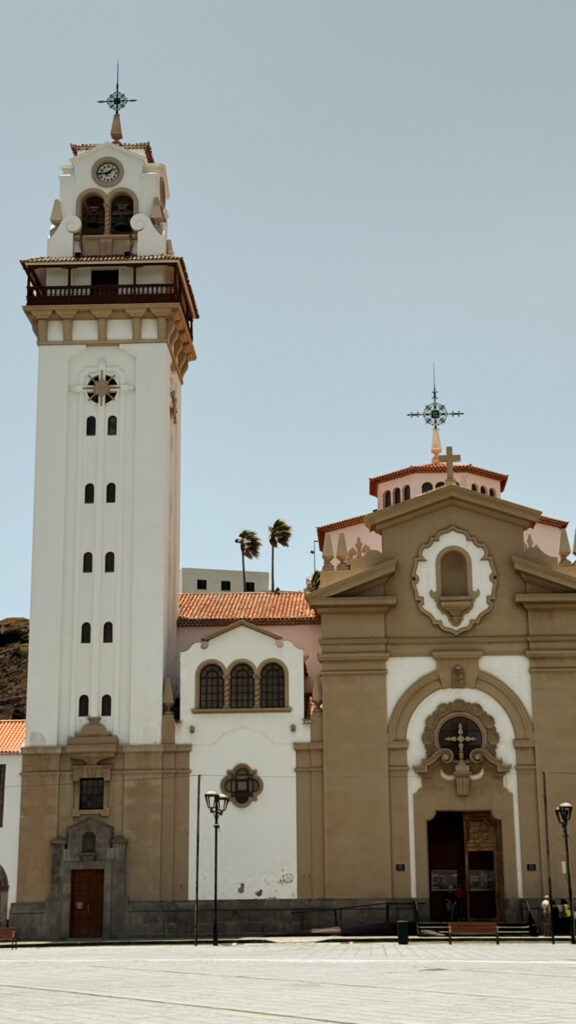
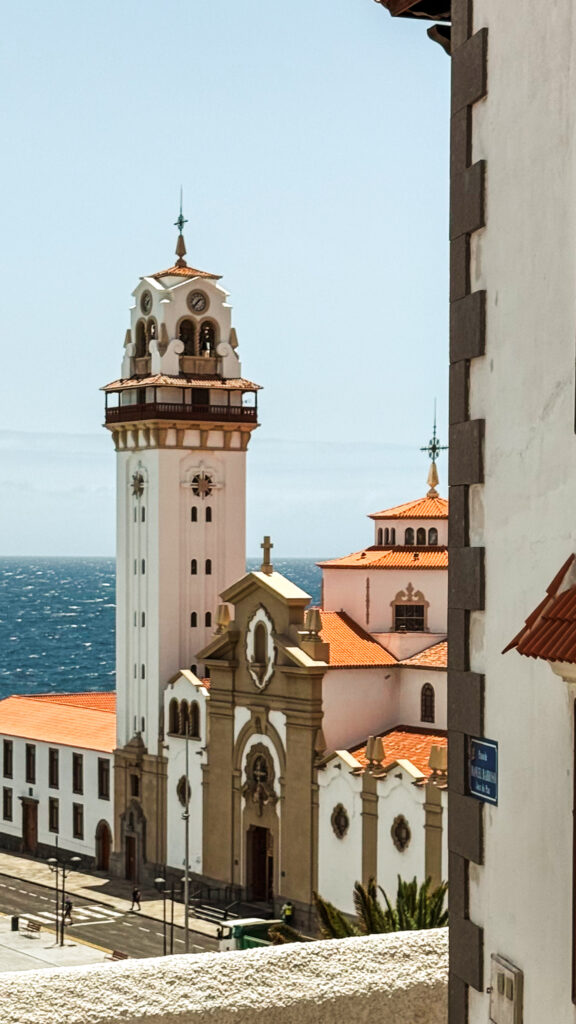
Without a doubt, the Basílica de Nuestra Señora de la Candelaria (Basilica of Our Lady of Candelaria) is the heart of the city and its most important monument.
The first church in Candelaria was built in the 16th century, but has been rebuilt and expanded many times. The current basilica we know today was built in the 19th-20th centuries and is an example of religious architecture of historical and artistic significance. The temple was dedicated to Our Lady of Candelaria, who is the patron saint of the Canary Islands (Patrona de Canarias). Every year thousands of pilgrims come here to pay homage to this holy statue.
The building impresses with its classical style, beautiful stained glass windows, richly decorated interior and numerous religious elements that testify to the centuries-old tradition of Marian devotion. The interior of the basilica exudes tranquility and spirituality – it is a place of prayer, reflection and contemplation. It is worth noting the main altar and numerous side chapels, which impress with their details and craftsmanship.
The centerpiece of worship is, of course, the statue of Our Lady of Candelaria, which, according to tradition, was found on the beach before the Spanish conquest. For the faithful and pilgrims, the statue is a symbol of care, hope and faith.
Candelaria is a city with a rich history, culture and unique atmosphere. Below you’ll find the most interesting places and activities to include during your visit.
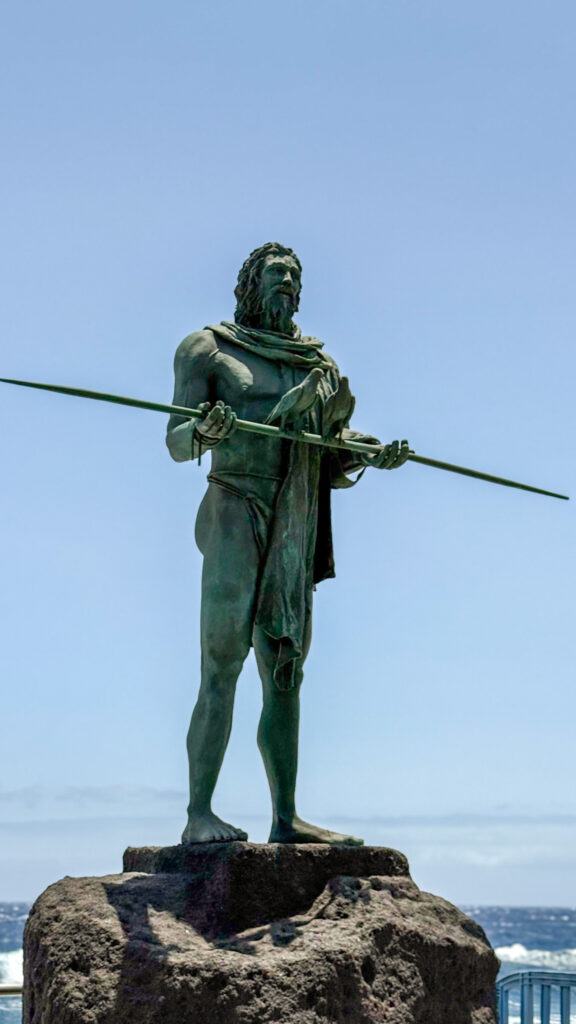
This is the central square of the city, right next to the basilica. Here there is an avenue of 9 Guanche statues – sculptures representing the original people of Tenerife. The statues symbolize the various mythical tribes that inhabited the island before the Spanish era. In the summer of 2025, the statues disappeared from the square and are undergoing restoration, with residents and tourists awaiting their swift return.
The square is a place of social and cultural life – local festivals, concerts and religious events are often held here.
A stroll along the promenade along the ocean is a must. With panoramic views of the crystal clear waters of the Atlantic, you can relax in the shade of palm trees, enjoy a cup of coffee in one of the cafes or simply enjoy the atmosphere of the coastal city.
In Candelaria, it’s worth just taking a walk along the narrow, cobblestone streets that hide charming houses with traditional balconies and elements of Canarian architecture. It’s a great opportunity to feel the local atmosphere and take beautiful photos.
Candelaria is also a treat for lovers of fine cuisine. Local restaurants offer a wide variety of dishes based on Canarian cuisine – fresh fish, seafood, mojo (traditional Canarian sauce), papas arrugadas (small potatoes with a little sea salt) and excellent desserts.
Recommended local dishes include:
Walking around the city, you are sure to find many atmospheric pubs, taverns and small family restaurants that serve authentic Canarian cuisine.
Candelaria is attractive year-round, thanks to Tenerife’s mild climate. However, consider specific dates if you want a full cultural and religious experience.
The most important event of the year is the feast of Our Lady of Candelaria, which takes place on February 2 (Day of the Presentation of the Lord – La Candelaria). This is when thousands of pilgrims from all over Spain and the Canary Islands come to the city to participate in religious ceremonies, processions and festivals.
It’s a huge celebration of local tradition and religion – an unforgettable experience full of color, music, dancing and deep spirituality.
Outside of February, Candelaria is an excellent place to explore Tenerife in peace. Spring and autumn offer moderate temperatures and fewer tourists, making for walking, sightseeing and relaxation. In summer, the climate is warmer but pleasant all the time, with a light sea breeze.
The best way to get to know Candelaria and see the most important places is to take a tour with a guide 👉 You can find a detailed description of the tour here: https://oletenerife.com/private-vip-tour-max-8-people-anaga-la-laguna-candelaria/. This way you will not only visit the basilica and the most beautiful corners, but also learn about their history, cultural context and the most interesting local stories.
If you are planning a visit to Tenerife and want to see Candelaria in a comfortable way, with full commentary and stories in – these tours are ideal.
At www.oletenerife.com you will find offers for island guided tours that include:
Such a tour is a great opportunity to not only see Candelaria, but also to learn about its history, local traditions and culture in an accessible way.
1. Patroness of the Canary Islands – Our Lady of Candelaria was declared patroness of the archipelago in the 16th century, highlighting its importance in the religious landscape of the Canary Islands.
2. Legend of finding the statue – A statue of the Virgin Mary found on the beach was said to bring good luck to the first Spanish conquistadors, which had a huge impact on the spread of Christianity in the islands.
3. Guanche Avenue – statues in the central square remind us of the indigenous culture and history of the Guanche tribes who inhabited Tenerife before the Spanish conquest.
4. A key pilgrimage site – every year thousands of people from all over Spain and the world come to Candelaria, especially during the feast of the patron saint.
5. ocean and nature – being located on the Atlantic Ocean, Candelaria also offers opportunities to observe marine wildlife, and the area is conducive to water sports.
Candelaria is a unique place that combines:
✔ rich history dating back to Guanchen times,
✔ religious and spiritual significance associated with the cult of the Virgin Mary,
✔ beautiful monuments, including an impressive basilica,
✔ local cuisine, landscapes and coastal atmosphere,
✔ a great base for further exploring Tenerife.
It is a place that delights tourists, history buffs and spiritual seekers alike.
If you’re planning a trip to Tenerife, be sure to visit Candelaria – and preferably do it on a convenient optional tour with a guide, which can be found at www.oletenerife.com
If there is one plant that best captures the mysterious character of the Canary Islands, it is undoubtedly the dragon...

Tenerife is the largest and one of the most diverse islands in the Canary Islands archipelago. It impresses with its...

Tenerife is the largest and one of the most diverse islands in the Canary Islands archipelago. It impresses with its...


Candelaria is a picturesque town located on the east coast of Tenerife, the largest of the Canary Islands. It is located only about 17 kilometers
