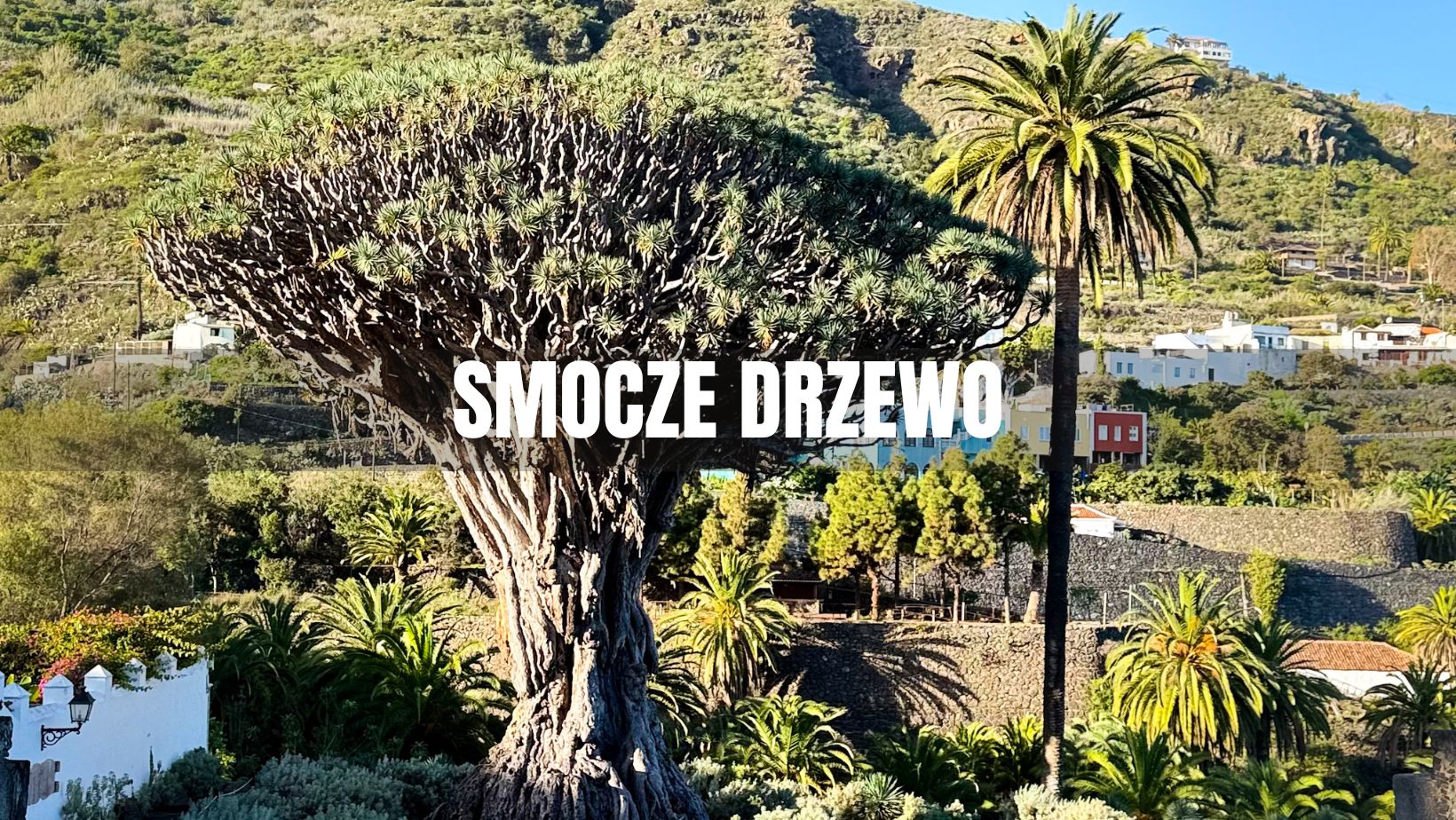
The Dragon Tree in Tenerife—one of the island’s most important symbols
If there is one plant that best captures the mysterious character of the Canary Islands, it is undoubtedly the dragon...

Mon-Sat: 10:00 am - 7:00 pm
OleTenerife.pl / Blog / Tenerife weather - what kind of weather to expect in Tenerife?
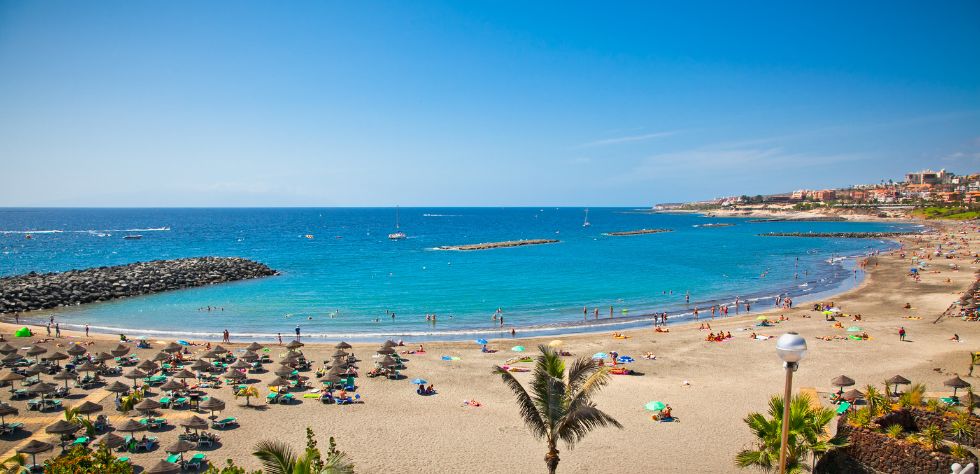
Tenerife, nicknamed the “island of eternal spring,” attracts tourists from all over the world with its extremely diverse climate. Tenerife’s weather is a topic that fascinates travelers and locals alike, as weather conditions can vary dramatically from region to region. The south of the island offers
One of the most intriguing aspects of Tenerife’s climate is its variability. In a single day, you can experience both intense sunshine and cooler, humid air. That’s why it pays to be flexible when planning outdoor activities. If you’re dreaming of hiking in the majestic Teide National Park or relaxing on the golden beaches of Costa Adeje, it’s a good idea to follow local forecasts to fully enjoy your stay.
And don’t forget about unique atmospheric phenomena such as the calima, a wind carrying Saharan dust that can degrade air quality and reduce visibility. It is these unpredictable elements that make the weather in Tenerife so intriguing and full of surprises, regardless of the season.
How about you? Which climate in Tenerife do you like best? Do you prefer
Tenerife is an island full of contrasts – both in terms of landscapes and weather conditions. Thanks to its unique climate, the weather can change rapidly. The sun can shine in one part of the island, while it rains in another. That’s why it’s a good idea to regularly check the weather forecast, especially the long-term forecast– for 16, 25 or even 45 days. This allows you to better plan both mountain hikes and relaxing on the beach, avoiding weather surprises.
In Tenerife, the aura can change from minute to minute, so an hourly forecast is an invaluable tool for any traveler. Up-to-date data on temperature, wind strength and precipitation help adjust plans to the actual situation.
Planning a day trip or outdoor activities? Checking the forecast regularly will help:
Planning an extended stay in Tenerife? You should pay attention to the long-term forecasts, which cover different regions of the island and include:
This will help you plan your trip better. If the forecast promises rain in the north, consider staying in the sunny south. Regularly checking the weather before your trip can become a habit that will allow you to fully enjoy your stay on this remarkable island.
Tenerife, nicknamed the “island of eternal spring,” delights tourists with its mild climate all year round. Interestingly, the weather on the island is not uniform –
Temperatures in Tenerife remain pleasant throughout the year. In winter the average is around 15°C, while in summer the bars of the mercury reach 28°C. However, it is worth remembering that the southern coast is usually warmer than the northern areas of the island. This means that regardless of the season, everyone can find ideal conditions for relaxation here.
See our coverage of Tenerife weather by month
Rain in Tenerife is a rarity, especially in the south, where a dry climate prevails. In contrast,
The wind in Tenerife can be variable – its speed can reach 48 km/h, and its direction depends on the region and the season. This is important information for those planning outdoor activities, especially for enthusiasts of water sports such as
The level of sunshine in Tenerife is high – the UV index often reaches a maximum of 10/10. This means that
With these measures, you can avoid burns and enjoy your vacation without unpleasant consequences.
Tenerife boasts very good air quality, making it an attractive destination for those who appreciate clean, fresh air. Low levels of pollution make walking around the island a real pleasure, and views of blue skies and clear horizons add charm to any trip.
How about you? What attracts you most to Tenerife?
Although Tenerife is a small island, its climate can surprise you with its diversity. The weather differences between the south and the north are really pronounced, which means that there is something for everyone – both sun lovers and fans of green, humid landscapes. The south tempts with a dry and sunny climate, while the north is often shrouded in clouds and has more humidity. This unique blend makes the island attractive all year round, regardless of weather preferences.
The southern part of the island is a true paradise for lovers of sunshine and high temperatures. The weather in the south of Tenerife is extremely stable – rain appears sporadically, and the sun shines almost continuously throughout the year. It is an ideal place for:
With mild winters and hot summers, the southern coast attracts tourists regardless of the season, offering excellent outdoor recreation.
The north of Tenerife is a completely different world – greener, wetter and more mysterious. The weather in the north of Tenerife is characterized by more frequent rainfall and lower temperatures, which favors lush vegetation and picturesque landscapes. It’s an ideal place for:
The cooler climate makes the north of the island a great choice for those who prefer exploring nature rather than lounging on the beach.
Teide National Park is a place where the weather can surprise even the most experienced travelers. The weather in Teide National Park is characterized by wide temperature fluctuations:
| Season | Temperature | Conditions |
|---|---|---|
| Winter | Below 0°C | Possible snowfall |
| Summer | Up to 20°C | Dry and sunny days |
The altitude makes the air sparser and the conditions more harsh. If you plan to hike to the top of the volcano, be sure to wear appropriate clothing. An additional phenomenon affecting the climate in the area is the Calima, a wind carrying Saharan dust, which can raise the temperature and give the landscape an almost surreal appearance.
Tenerife is an island with a diverse climate, which means that weather conditions can vary significantly from region to region. When planning a vacation, it’s a good idea to check the weather in the most popular resorts, such as Santa Cruz de Tenerife, Los Cristianos, Puerto de la Cruz, Costa Adeje, Playa de las Américas or San Cristóbal de La Laguna. Each of these locations has its own unique microclimate, so it’s a good idea to familiarize yourself with it beforehand to adjust your plans to suit the weather conditions.
Santa Cruz de Tenerife, the island’s capital, enjoys a mild climate year-round. With long-term forecasts, residents and tourists alike can plan their activities in advance, from strolling through the historic center to relaxing on nearby beaches.
The favorable aura makes Santa Cruz host one of the most colorful carnivals in the world. If you’re dreaming of a vacation full of sunshine and cultural attractions, this place is sure to delight you!
Los Cristianos, located in the south of Tenerife, is famous for its almost invariably sunny weather. Temperatures remain pleasant for most of the year, and rain appears here occasionally.
This is the perfect place for beach and water sports lovers. If you’re dreaming of a vacation full of sunshine, Los Cristianos is sure to meet your expectations.
Puerto de la Cruz, located in the north of the island, has a wetter and cooler climate than the southern resorts. More frequent rainfall and greater cloud cover make the region much greener, making it a paradise for nature lovers.
It is here that the famous botanical garden is located, where you can enjoy exotic plants from all over the world. If you like lush vegetation and slightly cooler temperatures, Puerto de la Cruz will be a hit.
Costa Adeje is one of the sunniest regions of Tenerife, where rainy days are rare. Thanks to its stable weather conditions, the place attracts tourists all year round, offering ideal conditions for beachcombing and water sports.
If you are looking for a place where summer lasts almost continuously, Costa Adeje will be an excellent choice.
Playa de las Américas is one of the most famous resorts in Tenerife, famous for its high temperatures and minimal rainfall. It’s a place made for those who want to enjoy the sun from dawn to dusk.
With numerous attractions – from beaches to lively clubs and restaurants – Playa de las Américas is the perfect destination for a vacation full of energy and entertainment.
San Cristóbal de La Laguna, a UNESCO World Heritage Site, is distinguished by its temperate and humid climate, which contrasts with the drier southern regions of the island.
This is a city with a rich history and a unique atmosphere, where the cooler air is conducive to strolling the charming streets and discovering the local culture. If you appreciate slightly cooler temperatures and an authentic climate, La Laguna is sure to delight you.
Tenerife, thanks to its unique location, offers a veritable kaleidoscope of atmospheric phenomena that shape its climate and daily aura. One of the most characteristic is the Calima – a hot, dry wind carrying dust from over the Sahara. This phenomenon not only raises the temperature, but also deteriorates air quality and reduces visibility, which can affect the comfort of both residents and tourists. Knowledge of these conditions allows you to better prepare for weather surprises and fully enjoy your stay on the island.
Calima is one of the most recognizable weather phenomena in Tenerife. It forms when strong winds from over the Sahara carry sand particles and hot air over the island, causing it:
Those with respiratory problems may experience discomfort, so it is advisable to avoid being outside for long periods of time. While Calima can be a nuisance, it is also a fascinating example of how desert winds can affect the climate of remote volcanic islands.
In Tenerife, cloud cover and sudden weather changes are a daily occurrence, especially in winter. Clouds can appear and disappear in a matter of hours, affecting:
The area around the Teide volcano offers spectacular views as clouds float below the peaks, creating a “sea of clouds” effect. For tourists and locals alike, familiarity with these phenomena is crucial when planning outdoor activities, from mountain hiking to beachcombing. This allows you to take full advantage of the island’s charms, regardless of the whims of the weather.
Tenerife, nicknamed the “island of eternal spring,” enjoys a pleasant climate all year round. However, if you want
This is the perfect time to escape the winter grayness and recharge your batteries in a warm climate.
Although Tenerife’s climate is stable, each season has its own unique character:
| Month | Temperature | Characteristics |
|---|---|---|
| January – February | 15-22°C | The coolest months, ideal for those avoiding the heat. |
| March – May | 18-25°C | Spring brings warmer days, conducive to sightseeing and outdoor activities. |
| June – August | 24-28°C | The warmest period, perfect for beachcombing and water sports. |
| September – November | 22-26°C | Milder temperatures, fewer tourists – ideal for those who appreciate peace and quiet. |
| December | 17-23°C | Pleasant weather, great for a festive holiday. |
If you dream of long days at the beach and active recreation, the best time is from April to October. Then:
You can try surfing, explore scenic mountain trails or simply enjoy the warm ocean. Every season in Tenerife has its own charm – the question is, what kind of vacation best suits you?
If there is one plant that best captures the mysterious character of the Canary Islands, it is undoubtedly the dragon...
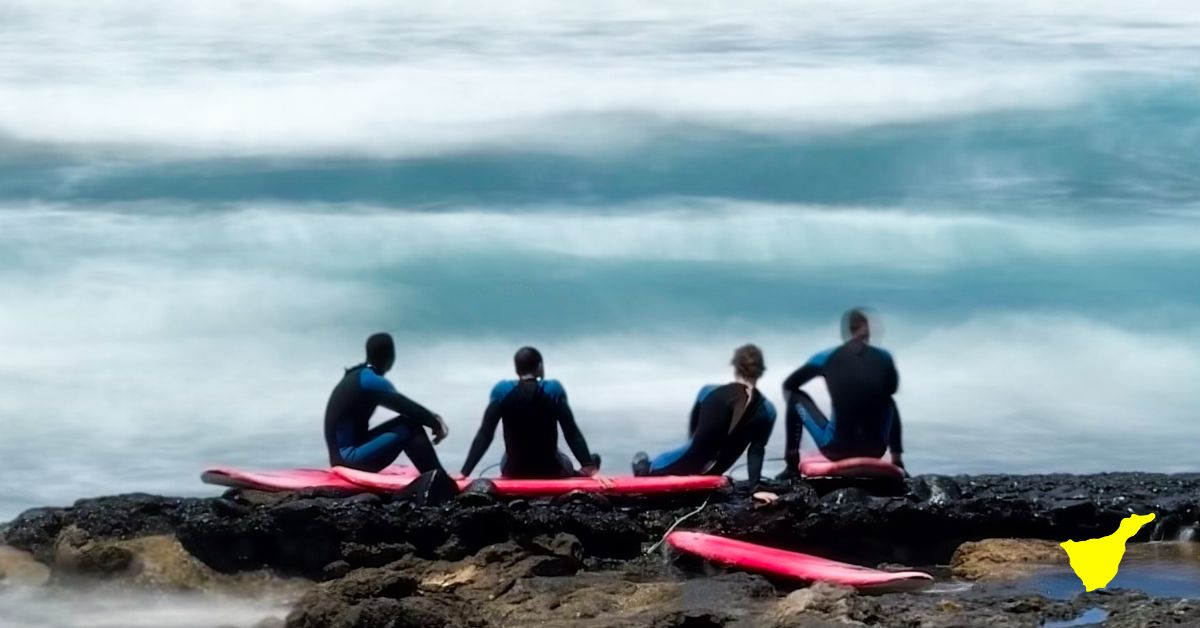
Tenerife is the largest and one of the most diverse islands in the Canary Islands archipelago. It impresses with its...
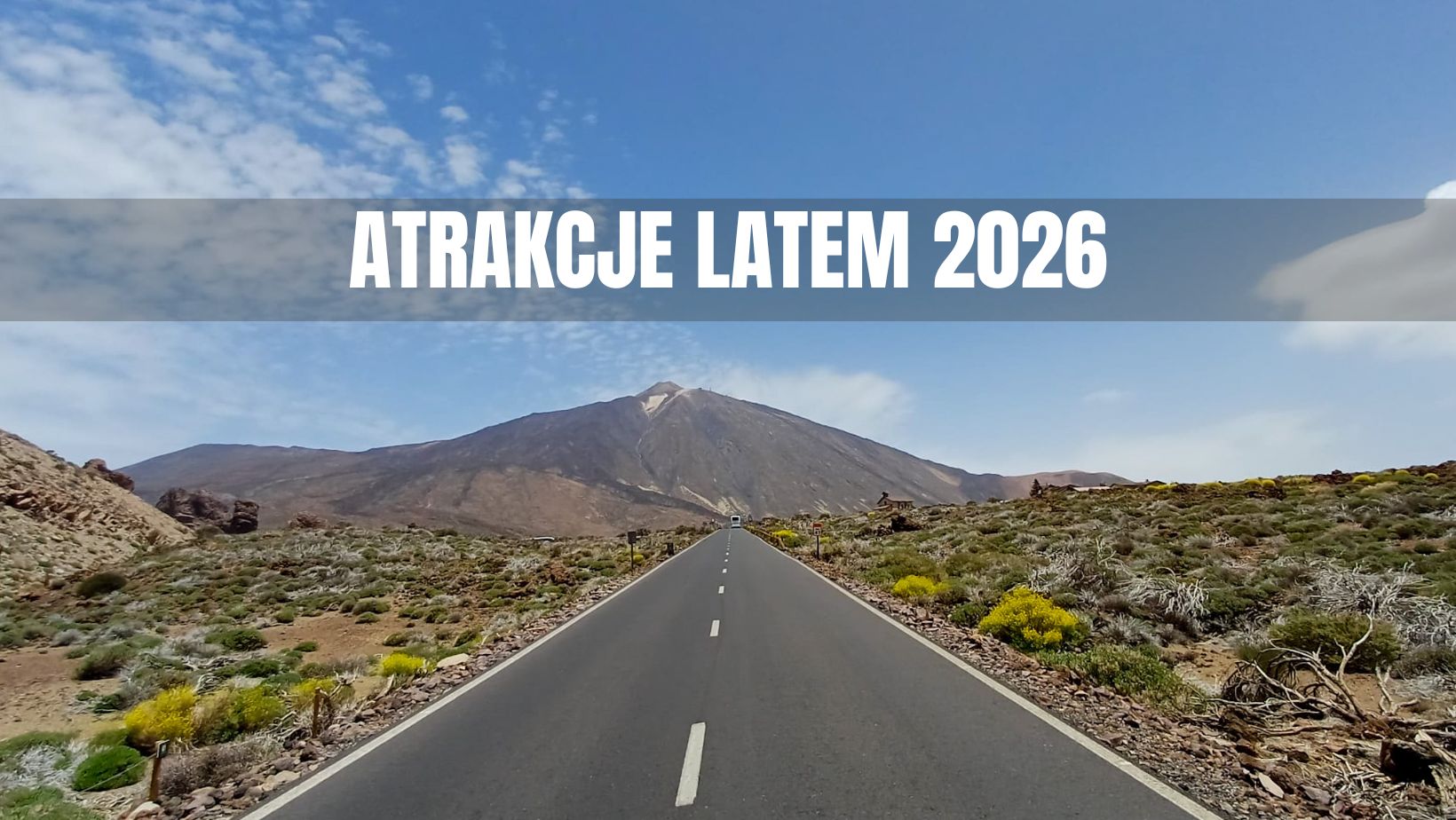
Tenerife is the largest and one of the most diverse islands in the Canary Islands archipelago. It impresses with its...

95,00 €
Previous lowest price was 95,00 €.


200,00 €
Previous lowest price was 200,00 €.
55,00 €
Previous lowest price was 55,00 €.
180,00 €
Previous lowest price was 180,00 €.
170,00 €
Previous lowest price was 170,00 €.
Tenerife Weather – Current Conditions and Forecasts Tenerife, nicknamed the “island of eternal spring,” attracts tourists from all over the world with its extremely diverse
